Zydus Hospital, Vadodara, Gujarat 390020
+917015731540
drsaurabhbiswascardiologist@gmail.com
Zydus Hospital, Vadodara, Gujarat 390020
+917015731540
drsaurabhbiswascardiologist@gmail.com
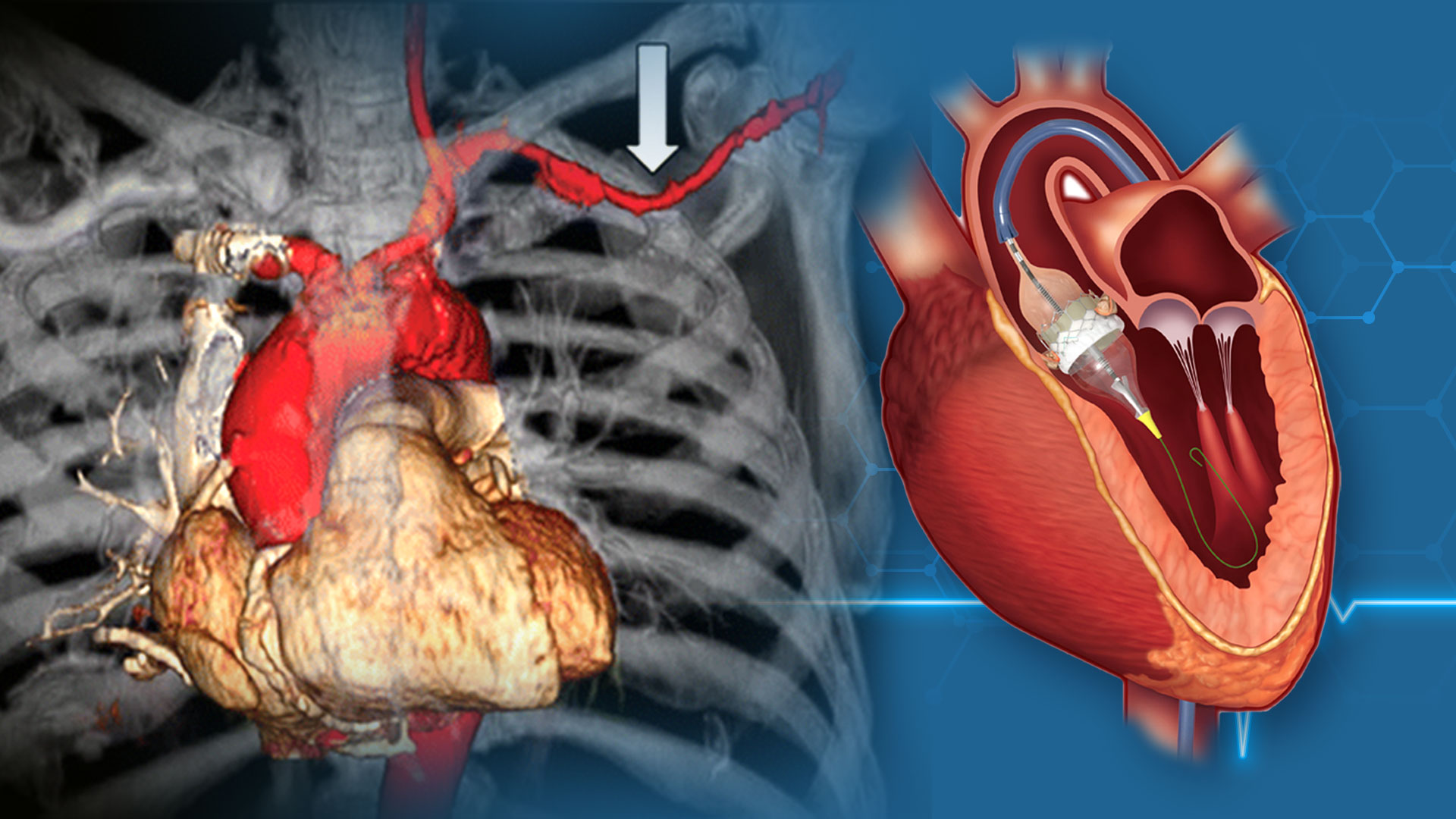
Heart valve diseases, especially aortic valve stenosis, are becoming increasingly common with age. If you or a loved one has been diagnosed with aortic valve disease, you may have come across two treatment options: TAVI (Transcatheter Aortic Valve Implantation) and Open Heart Surgery (Surgical Aortic Valve Replacement – SAVR).
Understanding the difference between these procedures can help you make an informed decision. In this guide, Dr. Saurabh Biswas explains everything patients need to know.
The aortic valve controls blood flow from the heart to the rest of the body. When it becomes narrowed (a condition called aortic stenosis), the heart has to work harder to pump blood. Over time, this can lead to serious complications like heart failure.
Common Symptoms:
If left untreated, severe aortic stenosis can be life-threatening.
TAVI (Transcatheter Aortic Valve Implantation) is a minimally invasive procedure used to replace a damaged aortic valve without opening the chest.
How TAVI Works:
Benefits of TAVI:
Open Heart Surgery, also known as Surgical Aortic Valve Replacement (SAVR), is the traditional method of replacing the aortic valve.
How It Works:
Benefits of Open Heart Surgery:
| Feature | TAVI | Open Heart Surgery |
|---|---|---|
| Procedure Type | Minimally invasive | Major surgery |
| Incision | Small (catheter-based) | Large chest incision |
| Anesthesia | Local/General | General anesthesia |
| Recovery Time | 1–2 weeks | 6–12 weeks |
| Hospital Stay | 2–5 days | 7–10 days |
| Risk Level | Lower for high-risk patients | Higher in elderly/high-risk cases |
| Durability | Moderate | Long-lasting |
TAVI is generally recommended for:
Open Heart Surgery may be better if:
TAVI Risks:
Open Surgery Risks:
Both procedures are safe when performed by experienced cardiac specialists.
After TAVI:
After Open Surgery:
However, the choice should always be based on medical suitability, not just cost.
Seek immediate medical advice if you experience:
Early diagnosis and timely treatment can save lives.
Both TAVI and Open Heart Surgery are effective treatments for aortic valve disease. The best option depends on your age, overall health, and severity of the condition.
Modern advancements have made it possible to treat even high-risk patients safely. A detailed evaluation by a cardiac specialist is essential before making a decision. Choosing between TAVI and Open Heart Surgery can feel overwhelming, but with the right guidance, you can make a confident decision. Consult an experienced cardiac surgeon like Dr. Saurabh Biswas to determine the most suitable treatment for your condition.

MBBS, MD General Medicine
DrNB Cardiology, FSCAI
Consultant Interventional Cardiologist