Zydus Hospital, Vadodara, Gujarat 390020
+917015731540
drsaurabhbiswascardiologist@gmail.com
Zydus Hospital, Vadodara, Gujarat 390020
+917015731540
drsaurabhbiswascardiologist@gmail.com
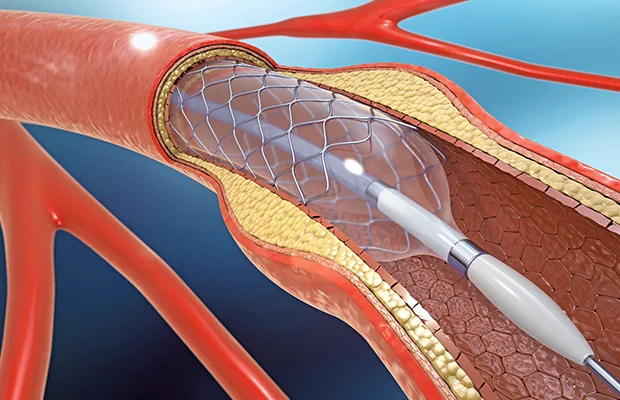
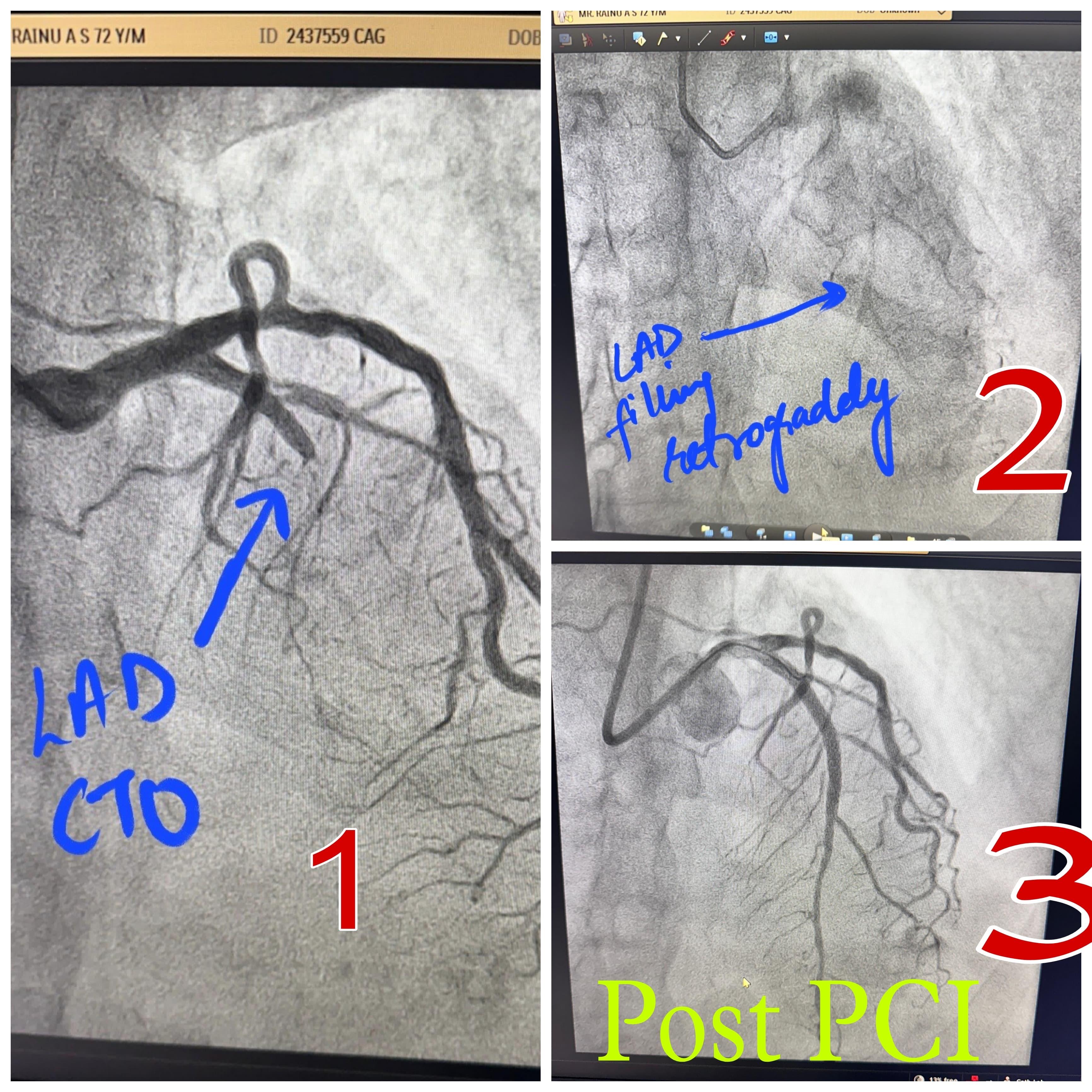
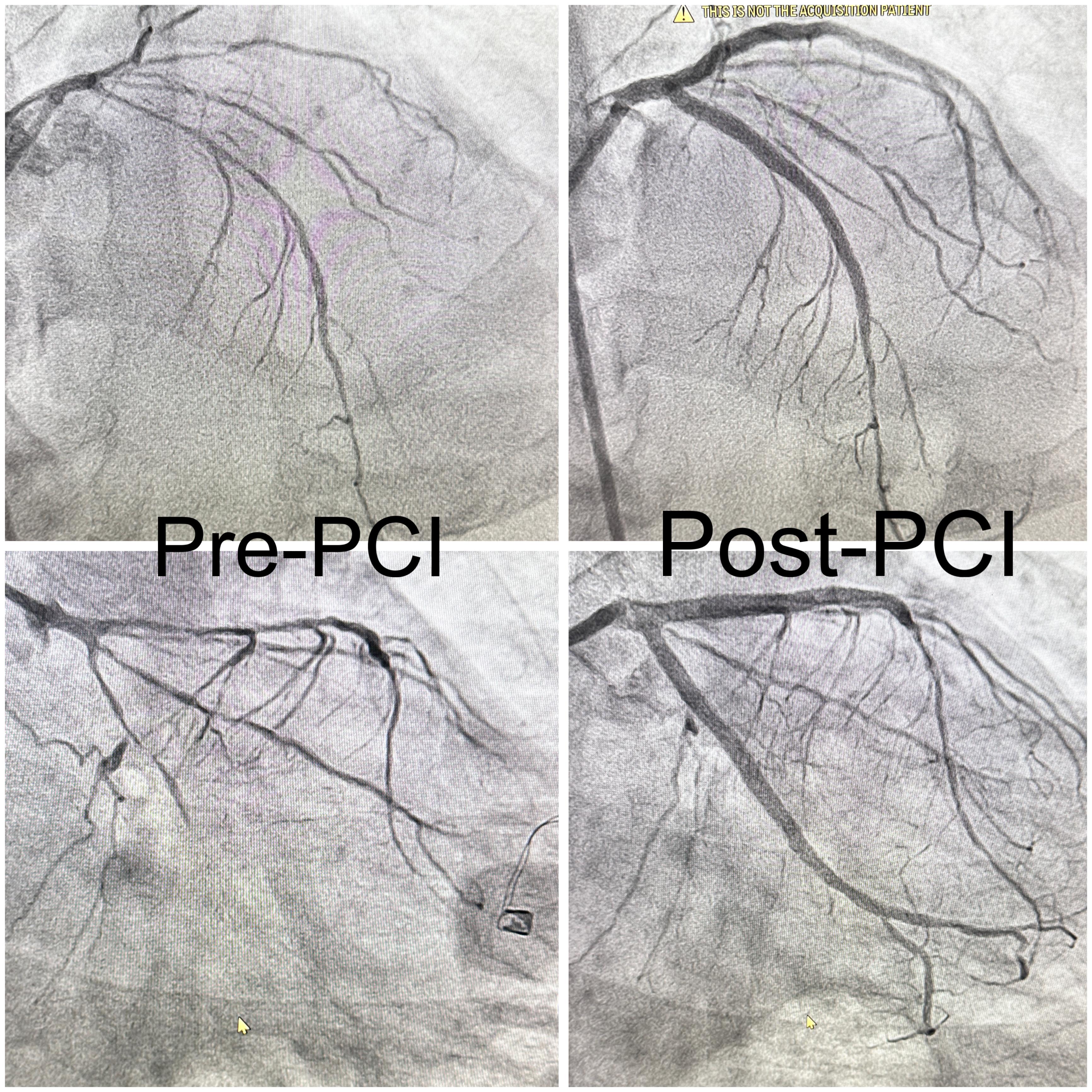
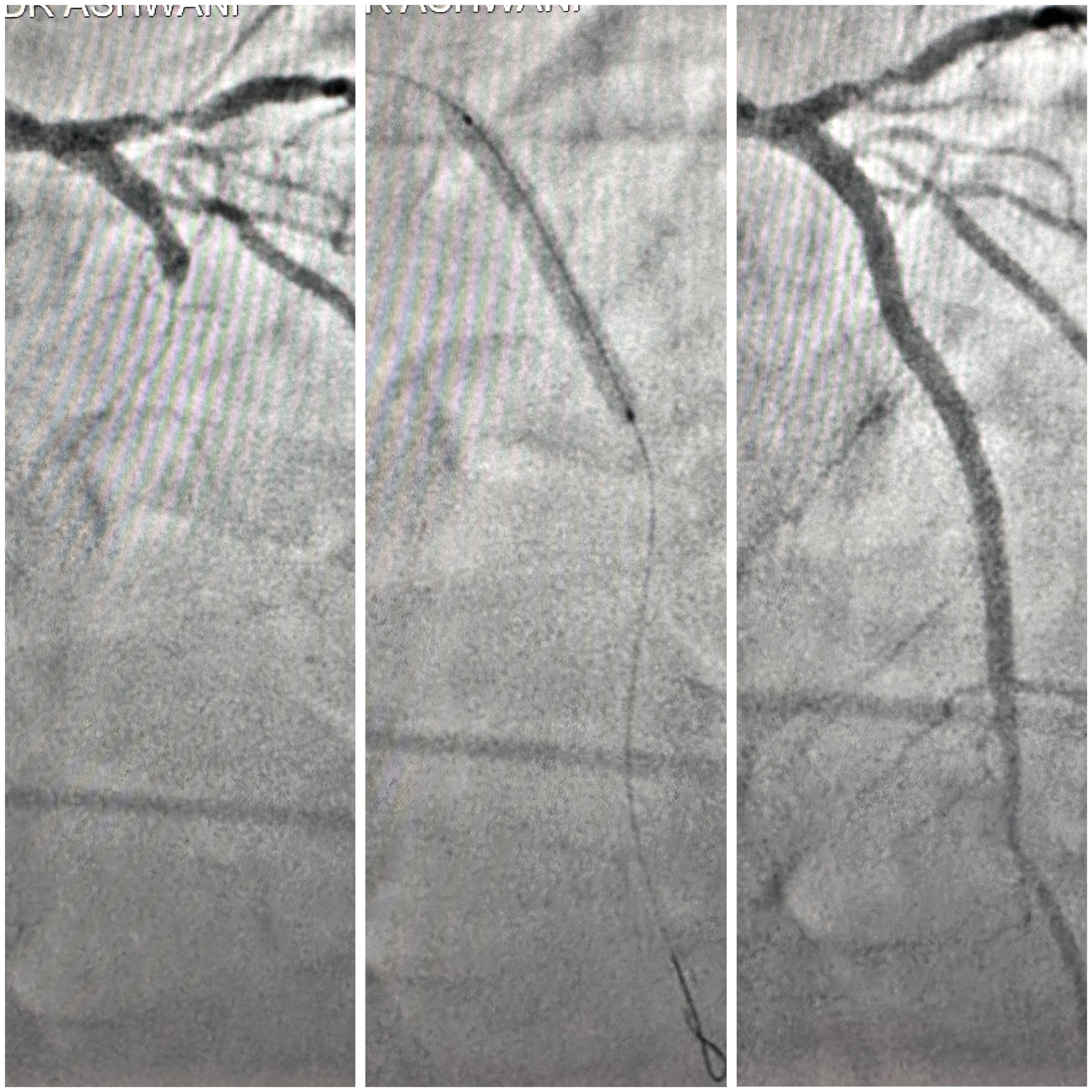
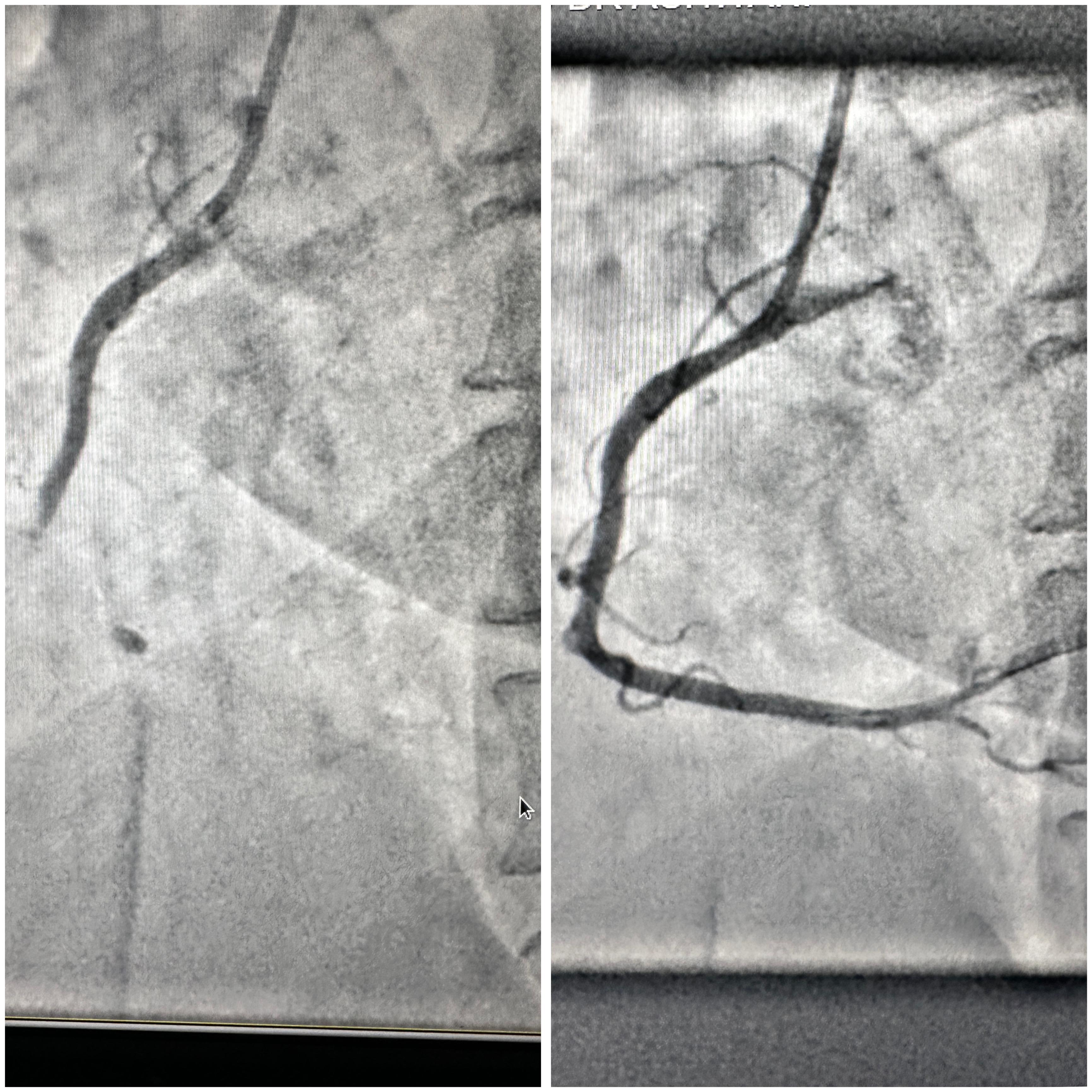
Angioplasty, also called Percutaneous Coronary Intervention (PCI), is a medical procedure used to open narrowed or blocked arteries in the heart. It restores blood flow and helps prevent heart attacks or other cardiac emergencies.
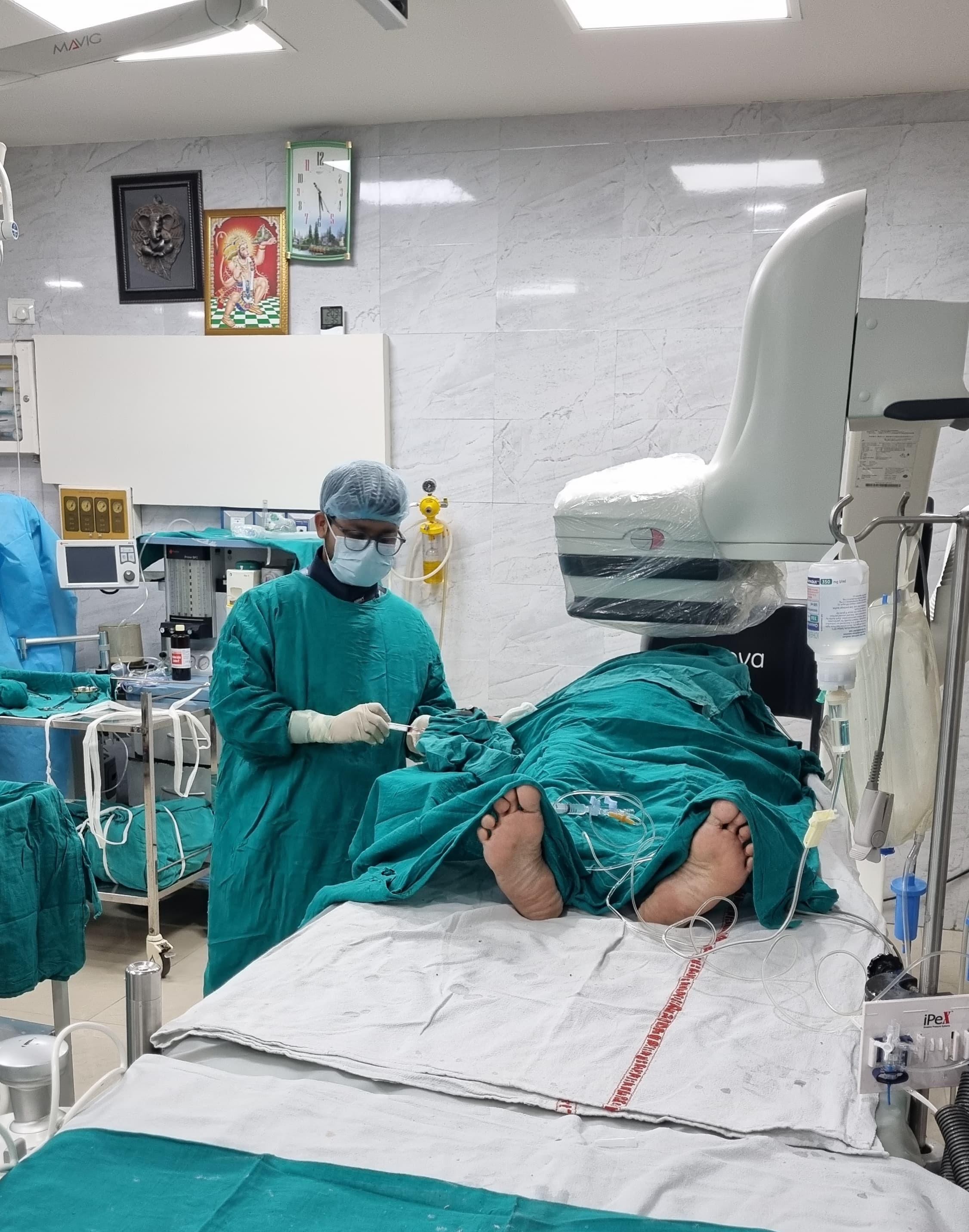
A thin tube called a catheter is inserted through an artery—usually in the groin, wrist, or arm. At the tip of the catheter, there's a small balloon. Once it reaches the blocked artery, the balloon inflates. This pushes plaque against the artery walls, widening the passage.
A stent is a tiny mesh tube placed in the artery during angioplasty. It keeps the artery open long-term. Most modern stents are drug-eluting, meaning they slowly release medication to prevent re-narrowing.
Quick action can save heart muscle and prevent permanent damage.
The procedure takes 30 to 90 minutes and is done under local anesthesia with mild sedation.
This procedure often improves quality of life almost immediately.
While safe, some risks include:
Proper medication and follow-up care reduce most of these risks.
A healthy lifestyle supports stent function and heart health.

MBBS, MD General Medicine
DrNB Cardiology, FSCAI
Consultant Interventional Cardiologist