Zydus Hospital, Vadodara, Gujarat 390020
+917015731540
drsaurabhbiswascardiologist@gmail.com
Zydus Hospital, Vadodara, Gujarat 390020
+917015731540
drsaurabhbiswascardiologist@gmail.com
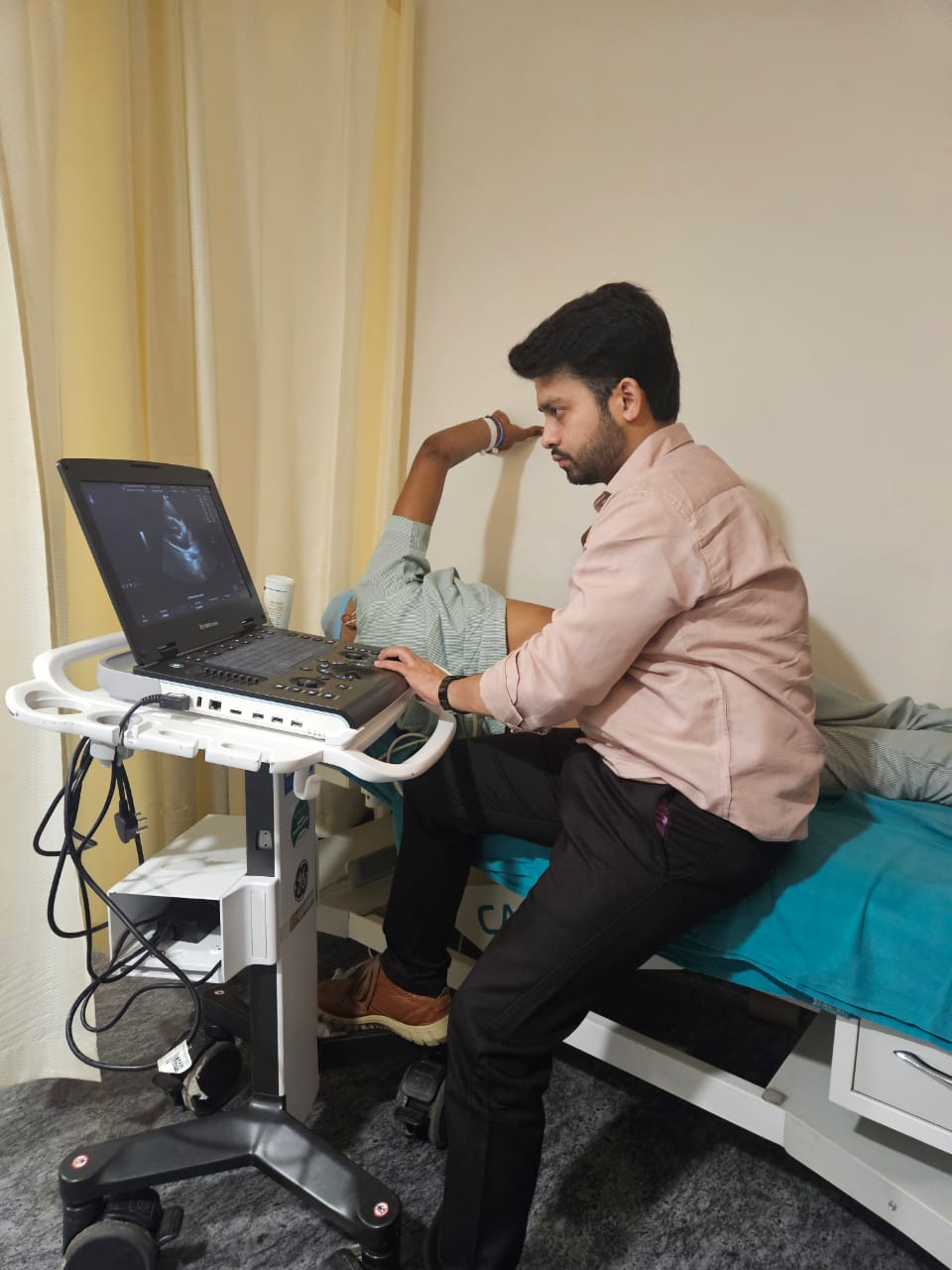
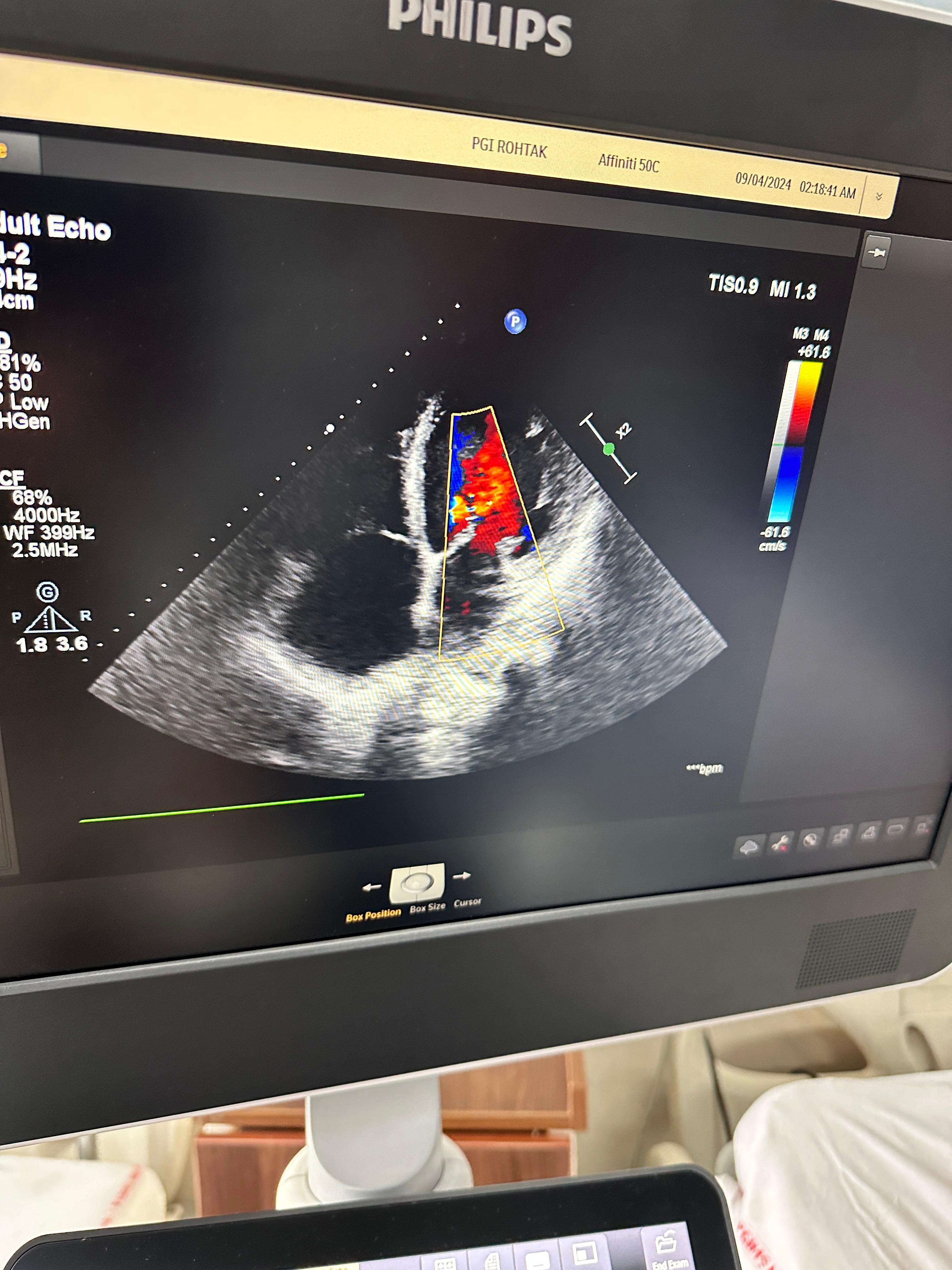
Transthoracic Echocardiography (TTE) is one of the most common heart imaging tests. It uses ultrasound waves to create real-time pictures of the heart. This painless, non-invasive test helps doctors evaluate heart structure and function quickly.
TTE is an ultrasound-based diagnostic test. A small device called a transducer is placed on the chest. It sends sound waves that bounce off the heart and create images. These images allow cardiologists to examine heart chambers, valves, and blood flow.
Doctors recommend TTE for many heart-related conditions. It helps detect heart failure, valve disorders, congenital defects, blood clots, and fluid buildup around the heart. It also monitors heart function after surgery or treatment.
The patient lies on a table during the test. A technician applies gel to the chest and moves the transducer across the skin. The test usually takes 30 to 45 minutes. It is completely safe and does not cause pain.
While highly effective, TTE has some limitations. Obesity, lung disease, or chest deformities may affect image quality. In such cases, doctors may suggest a transesophageal echocardiogram (TEE) for clearer results.
Patients with chest pain, shortness of breath, irregular heartbeat, or swelling may require TTE. It is also recommended for individuals with known heart disease or those at risk of developing heart problems.
TTE requires no special preparation or recovery time. Patients can return to normal activities immediately after the test. Results are reviewed by a cardiologist, who then explains the findings and next steps.

MBBS, MD General Medicine
DrNB Cardiology, FSCAI
Consultant Interventional Cardiologist