Zydus Hospital, Vadodara, Gujarat 390020
+917015731540
drsaurabhbiswascardiologist@gmail.com
Zydus Hospital, Vadodara, Gujarat 390020
+917015731540
drsaurabhbiswascardiologist@gmail.com
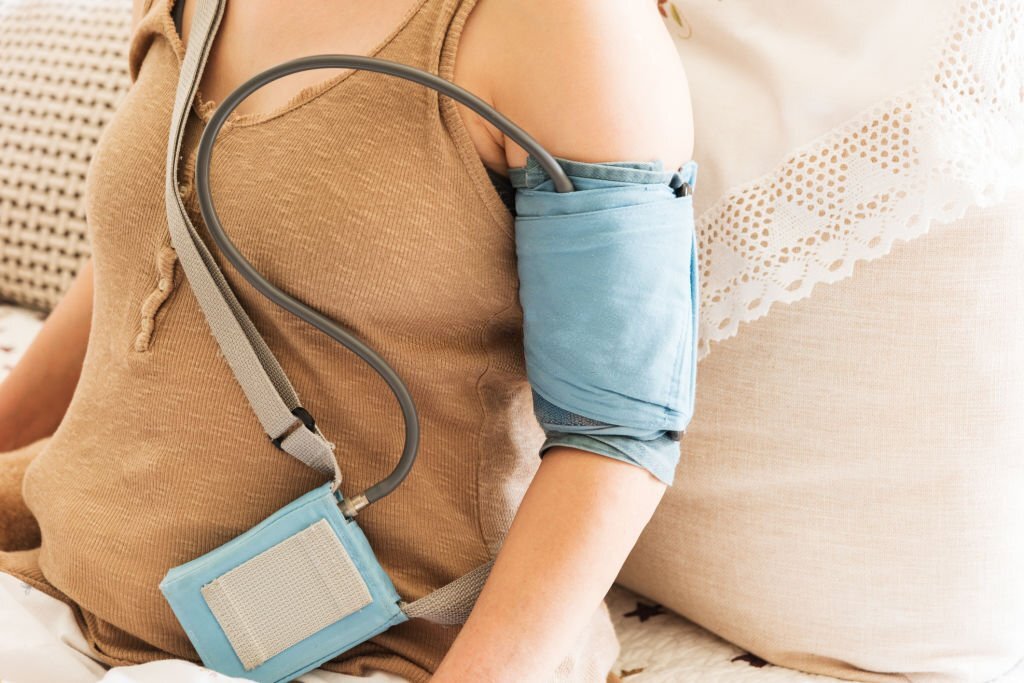
Ambulatory Blood Pressure Monitoring (ABPM) is a method of measuring blood pressure over 24 hours. It provides a detailed view of how a person's blood pressure changes throughout the day and night. Unlike a one-time reading at the clinic, ABPM offers real-time data during normal daily activities and sleep.
Clinic readings can be misleading due to stress or white coat hypertension. ABPM helps eliminate this issue. It provides multiple readings over time, revealing true blood pressure patterns. This is vital for proper diagnosis and treatment.
The patient wears a portable device strapped to their waist or shoulder. A cuff is wrapped around the upper arm and inflates every 15–30 minutes during the day and every 30–60 minutes at night. The device records each reading automatically and stores the data.
At the end of 24 hours, the device is returned to the clinic or hospital. The results are analyzed by healthcare professionals to understand fluctuations and identify any abnormal patterns.
ABPM also helps assess how blood pressure behaves during sleep, which can’t be done with in-office measurements.
Patients should wear the device during regular daily activities. Avoid heavy exercise, as it may affect accuracy. Try to keep the arm still when the cuff inflates.
Some people may experience mild discomfort or disturbed sleep due to nighttime readings. However, these are minor and temporary.
It’s important to maintain a diary noting the time of meals, medication, exercise, stress, or symptoms. This helps doctors interpret readings more accurately.
| Feature | Clinic BP | ABPM |
|---|---|---|
| Measurement Frequency | Single point | 30–50 readings/day |
| Location | Doctor’s office | Real-life environment |
| Accuracy | Lower | High |
| White Coat Effect | Common | Eliminated |
| Sleep BP Recording | Not Possible | Yes |

MBBS, MD General Medicine
DrNB Cardiology, FSCAI
Consultant Interventional Cardiologist