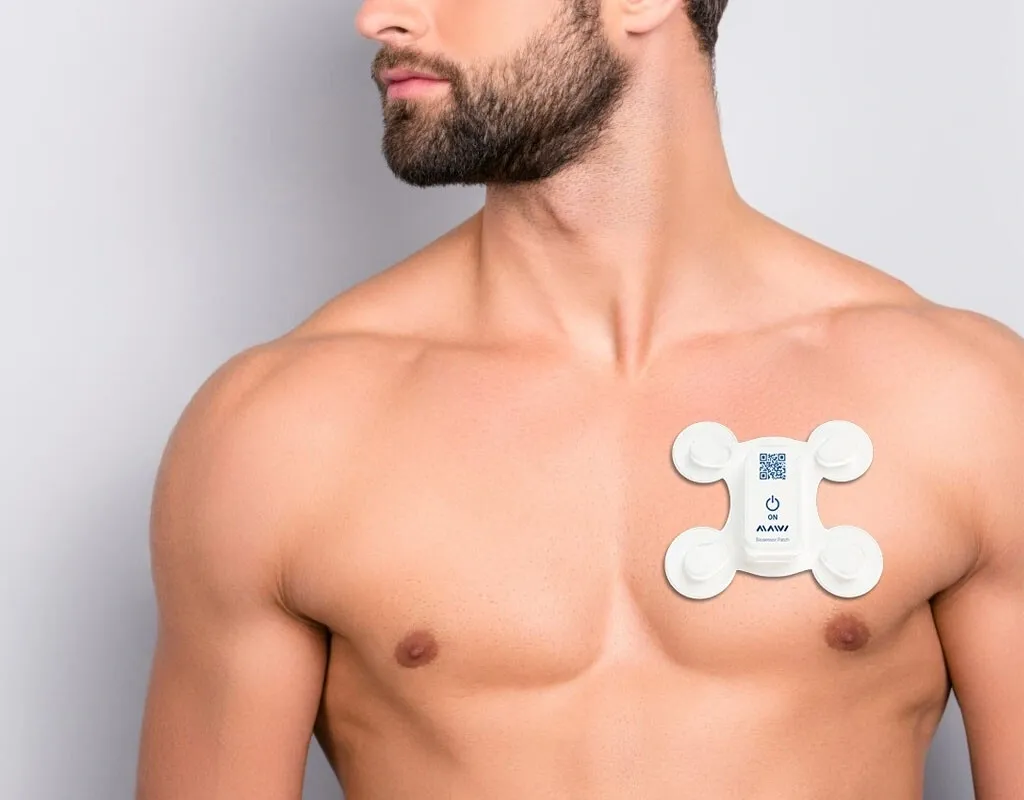
Holter Monitoring
Holter monitoring is a non-invasive, portable test used to record your heart’s rhythm continuously over 24 to 72 hours. It helps identify abnormal heartbeats (arrhythmias), silent ischemia, or unexplained fainting spells that may not show up during a standard ECG.
The monitor records your heart's electrical activity while you go about your normal daily activities.
Why Is Holter Monitoring Done?
Doctors recommend a Holter test to detect:
- Irregular heartbeats (arrhythmias)
- Skipped beats or palpitations
- Dizziness or unexplained fainting
- Chest pain not related to exercise
- Silent ischemia
- Effectiveness of medications or pacemakers
It’s especially useful if your symptoms are occasional and missed during brief ECG recordings.
How Does the Holter Monitor Work?
A small, battery-powered device is attached to your chest using adhesive electrodes.
What Happens During the Test?
- Electrodes are placed on your chest.
- Wires connect them to a small recorder, worn on a belt or shoulder strap.
- The device continuously records ECG data for 24–72 hours.
- You are asked to maintain a symptom diary—noting time and activity during any discomfort.
- After monitoring, the device is returned for analysis.
- There is no need to stay in the hospital during the test.
Preparation for Holter Monitoring
- Shower before the test (you can’t bathe while wearing it)
- Wear loose, comfortable clothing
- Avoid magnets or metal detectors
- Keep a detailed activity and symptom log
- Inform your doctor of any medications
- There are no dietary restrictions.
What Can the Test Detect?
Holter monitoring can reveal:
- Atrial fibrillation or flutter
- Bradycardia or tachycardia
- Heart block or skipped beats
- Silent myocardial ischemia
- Unexplained blackouts or palpitations
It helps pinpoint the exact timing and cause of irregularities.
Is Holter Monitoring Safe?
- Yes, it is completely safe and painless.
- No electricity is passed through the body
- No side effects or complications
- Just mild skin irritation from the electrodes in some cases
- It’s suitable for people of all ages, including children and the elderly.
Advantages of Holter Monitoring
- Continuous 24/7 tracking
- Detects transient or rare arrhythmias
- No hospital stay required
- Enhances diagnostic accuracy
- Provides valuable data for treatment planning
It’s one of the most effective tools for heart rhythm analysis outside the clinic.
After the Test
Once the device is removed:
- The recorded data is downloaded and analyzed by a cardiologist
- Your symptom diary is compared to the ECG readings
- A detailed report is generated to guide further treatment