Zydus Hospital, Vadodara, Gujarat 390020
+917015731540
drsaurabhbiswascardiologist@gmail.com
Zydus Hospital, Vadodara, Gujarat 390020
+917015731540
drsaurabhbiswascardiologist@gmail.com
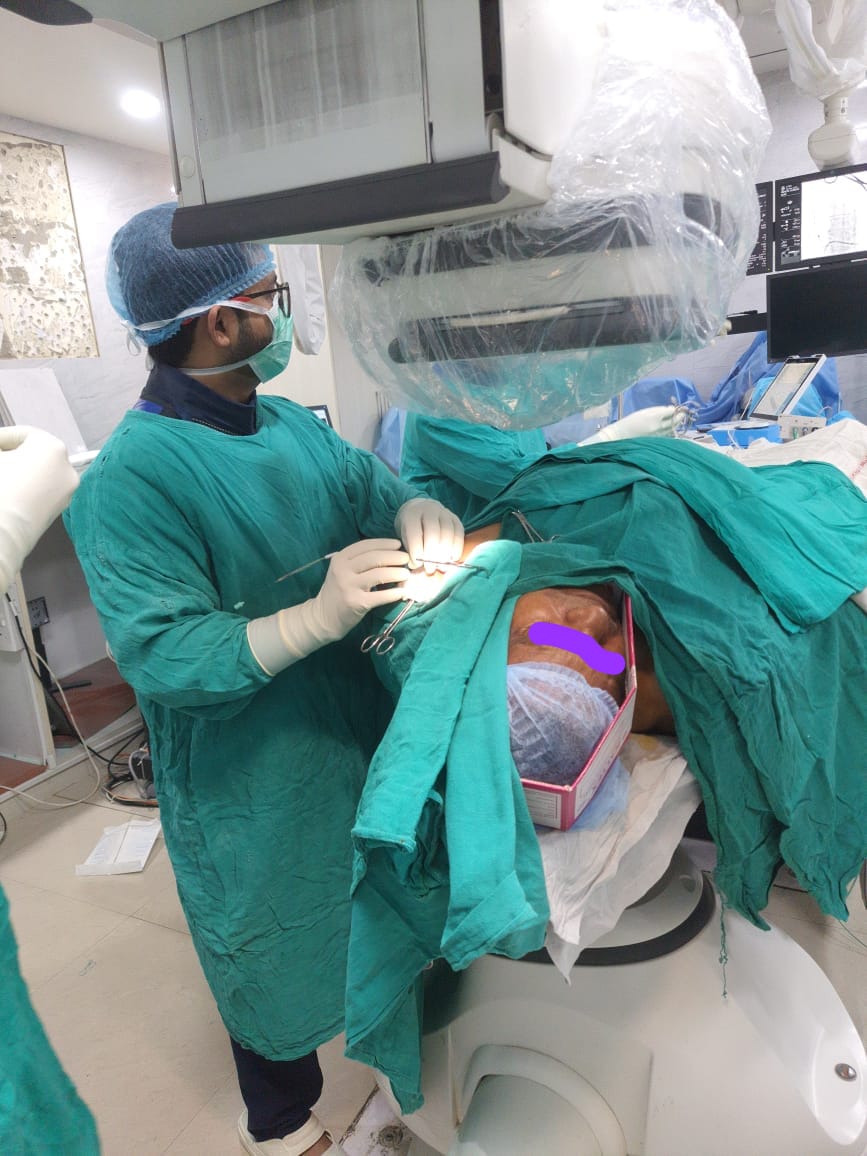
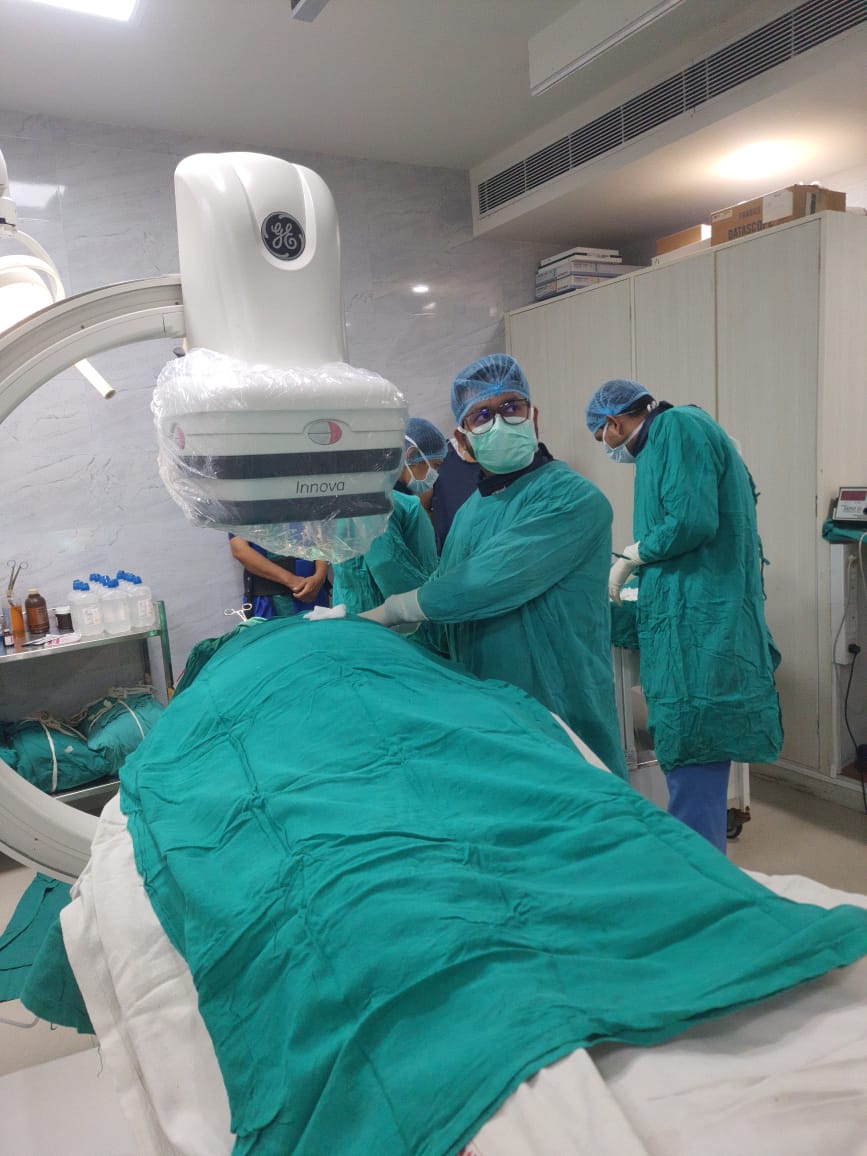
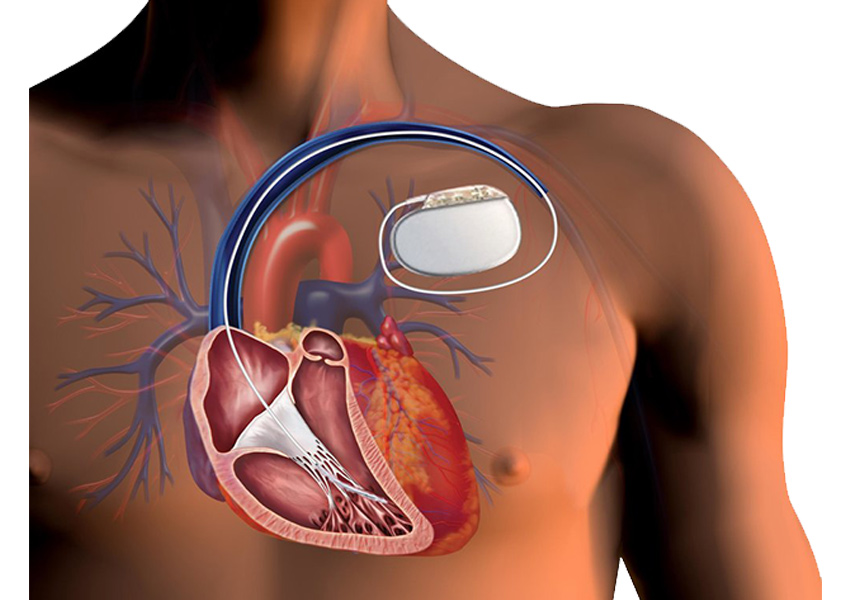
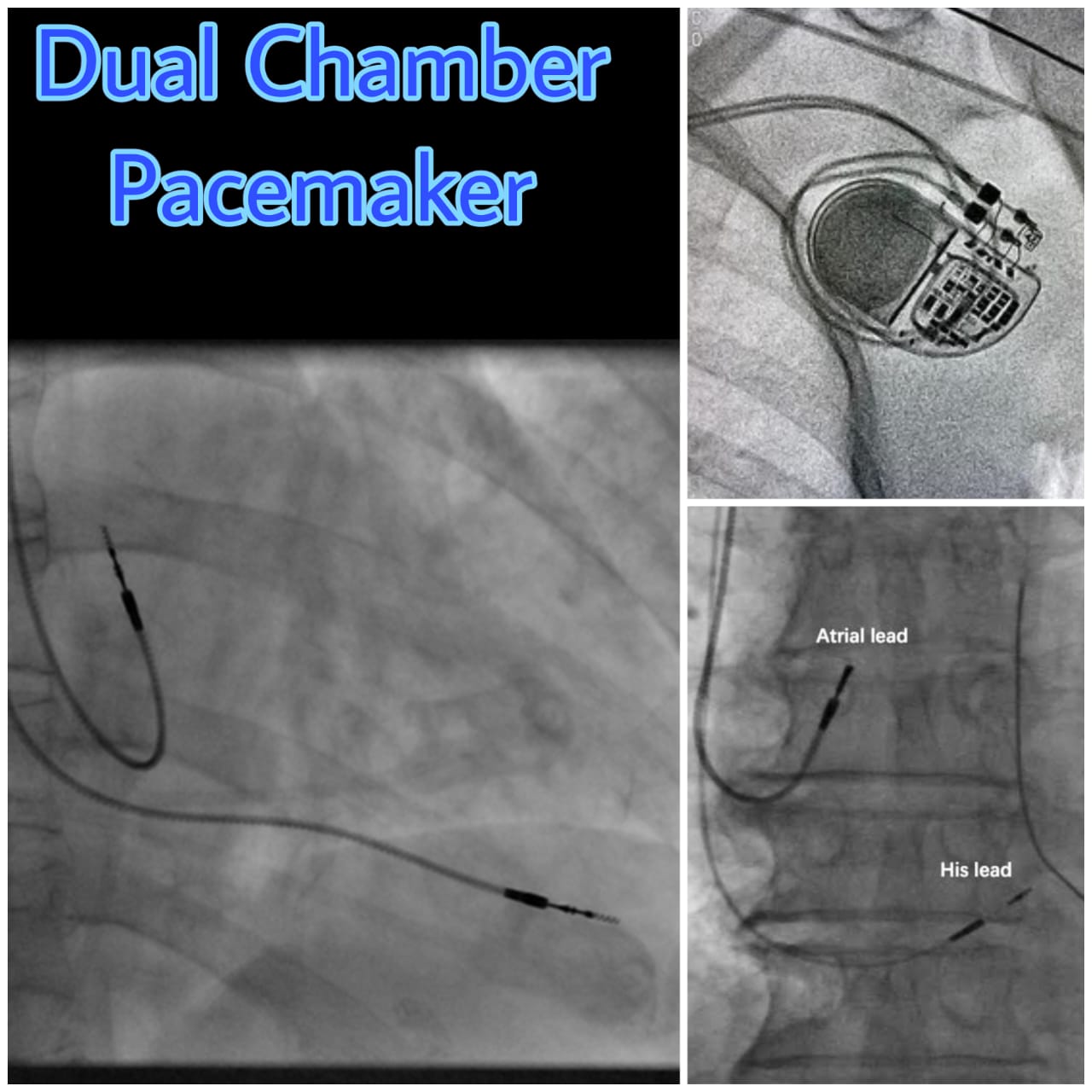
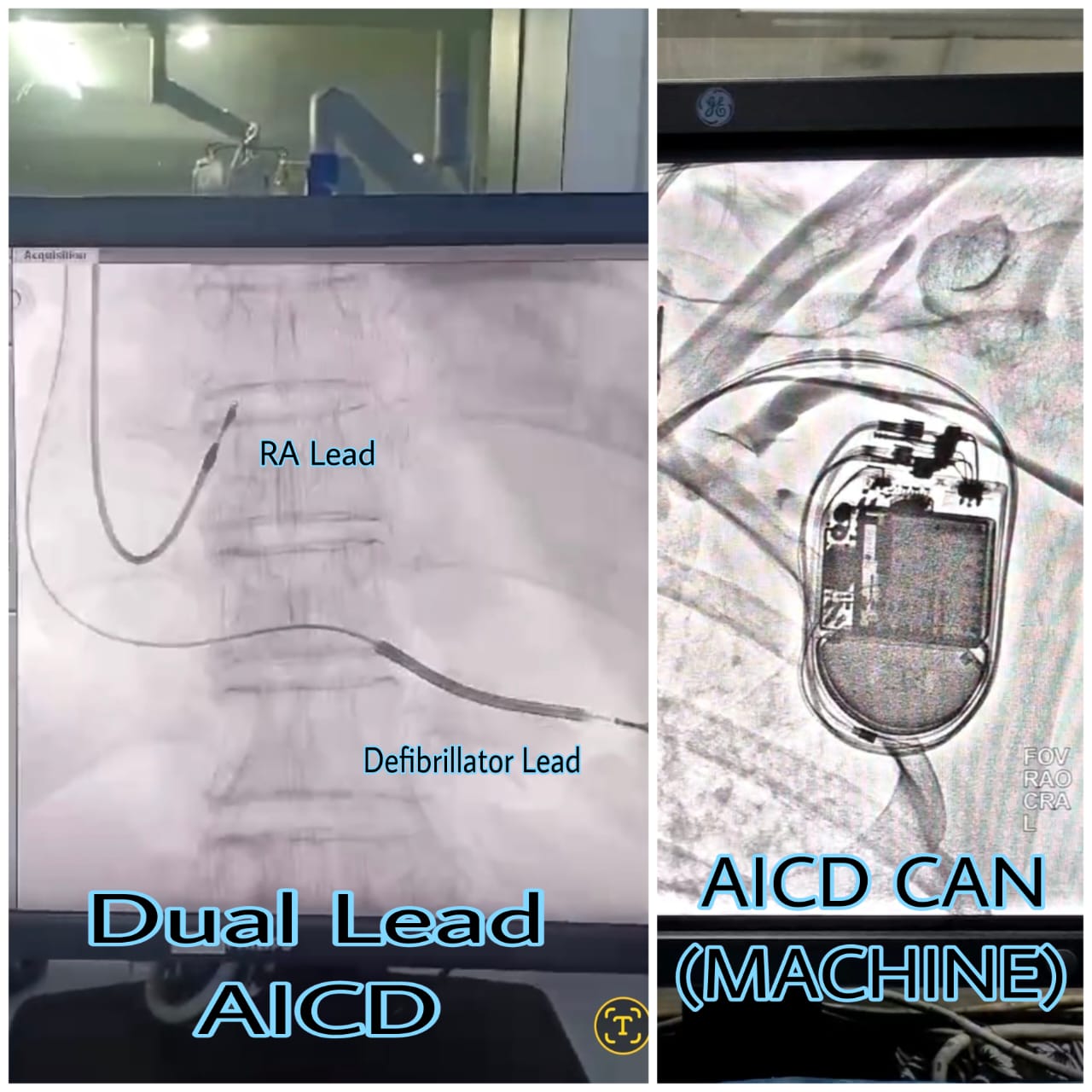
A pacemaker or Automated Implantable Cardioverter Defibrillator (AICD) is a life-saving medical device. These devices help regulate heart rhythm and prevent sudden cardiac arrest. They provide long-term solutions for patients with arrhythmias and other heart rhythm problems.
A pacemaker is a small electronic device placed in the chest. It uses electrical signals to keep the heartbeat steady. Doctors recommend it for patients with bradycardia or heart block. With advanced technology, modern pacemakers are smaller, safer, and more effective.
An AICD is similar to a pacemaker but more advanced. It monitors heart rhythm continuously. When it detects life-threatening arrhythmias, it delivers a shock. This shock restores normal rhythm and prevents cardiac arrest. AICDs are essential for people with a high risk of sudden heart failure.
Patients with slow heart rates or blocked electrical signals often require pacemakers. On the other hand, those with ventricular tachycardia or fibrillation may need an AICD. Doctors assess patient history, symptoms, and test results before recommending implantation.
The implantation process is safe and minimally invasive. The doctor makes a small incision near the collarbone. Leads are guided through veins into the heart chambers. The device is then placed under the skin and connected to the leads. Most procedures take one to two hours under local anesthesia.
Patients usually stay in the hospital for one or two days. Recovery time is short, but doctors advise avoiding heavy lifting for a few weeks. Regular follow-ups ensure the device works correctly. Patients should keep their arm movements gentle to allow healing.
Although rare, complications may occur. These include infection, bleeding, or device malfunction. Sometimes leads may shift from their position. However, with modern techniques, these risks are minimal and manageable.
Patients can live normal lives with these devices. Regular medical checkups are important. Devices should be checked for battery life and function. Patients must avoid strong magnetic fields, but most daily activities remain safe. Traveling, exercising, and working are possible with proper care.
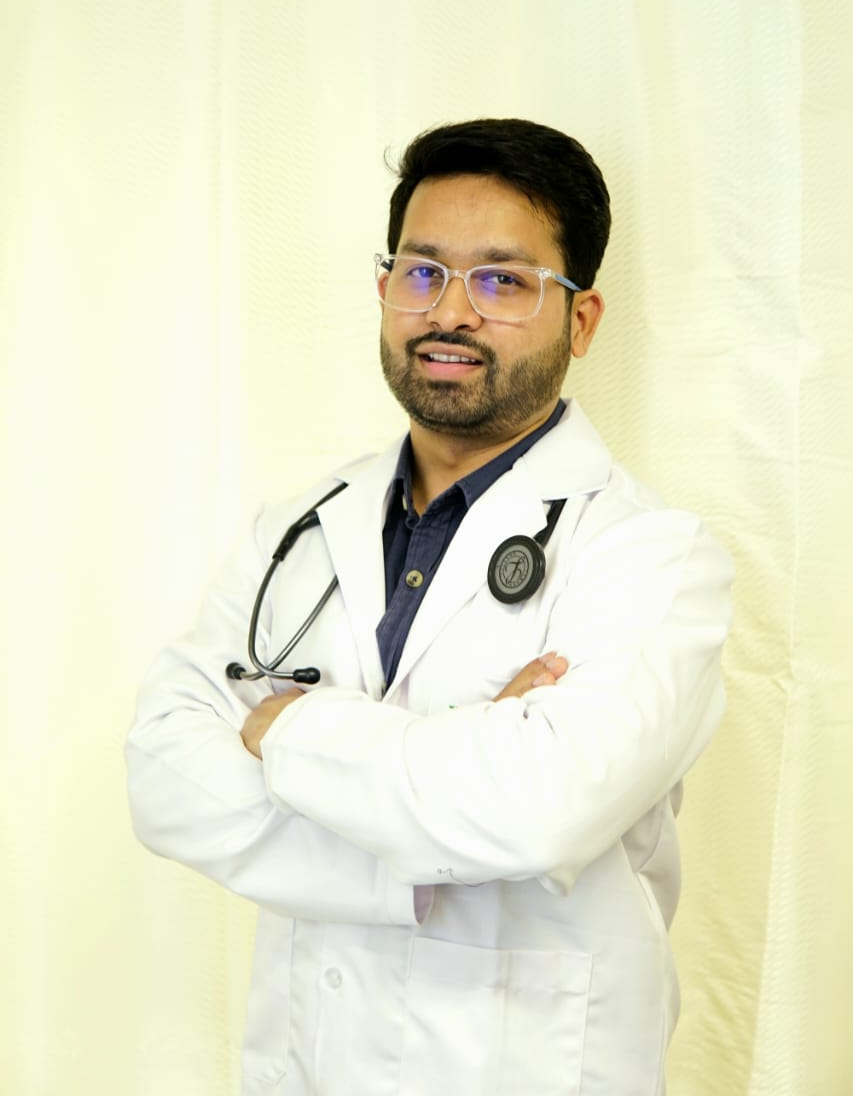
MBBS, MD General Medicine
DrNB Cardiology, FSCAI
Consultant Interventional Cardiologist