B1& B2, Sector 23, Sanjay Nagar, Ghaziabad, Uttar Pradesh 201002

+917015731540

drsaurabhbiswascardiologist@gmail.com
LVAD (Artificial Heart)

LVAD (Artificial Heart)

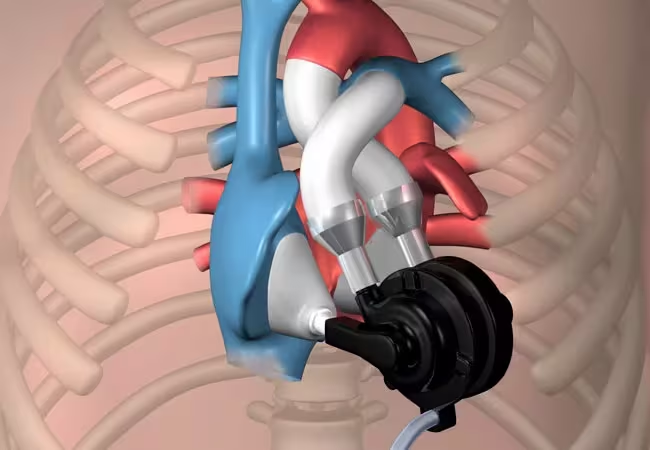
A Left Ventricular Assist Device (LVAD) is a mechanical pump implanted in the chest to help a failing heart pump blood. It’s often called an artificial heart pump, but it doesn’t replace the heart. Instead, it assists the left ventricle, the heart’s main pumping chamber.

LVADs are used in patients with advanced heart failure who no longer respond well to medication.

Who Needs an LVAD?

  • Have end-stage heart failure
  • Are waiting for a heart transplant (Bridge to Transplant)
  • Are not eligible for transplant (Destination Therapy)
  • Need temporary support after heart surgery or a heart attack (Bridge to Recovery)

LVADs provide crucial support, improve survival, and enhance quality of life.

How Does an LVAD Work?

  • A pump surgically implanted in the chest
  • A driveline that exits the body and connects to a controller
  • An external battery pack and controller worn around the waist or shoulder

The pump pulls blood from the left ventricle and sends it directly to the aorta, the main artery that supplies blood to the body. It runs continuously, so most patients don’t have a normal pulse.

LVAD Implantation Procedure

  • Preoperative Evaluation: Includes imaging, labs, and psychological readiness.
  • Surgery: Performed under general anesthesia, lasting 4–6 hours.
  • Hospital Stay: Recovery in ICU, followed by step-down care.
  • Training: Patients and caregivers are taught how to manage the device safely.
  • Discharge: Most patients go home in 2–4 weeks, depending on recovery.

Life With an LVAD

  • Walk, climb stairs, and travel
  • Eat normally with a heart-healthy diet
  • Sleep with minor equipment setup changes
  • Carry battery packs and controller 24/7
  • Perform daily driveline site care to prevent infection

Patients also attend regular follow-ups for monitoring and device checks.

Benefits of LVAD Therapy

  • Improves survival in advanced heart failure
  • Enhances quality of life and daily activity level
  • Supports organ function by improving blood flow
  • Reduces hospitalizations due to heart failure
  • Allows time for transplant or recovery

Many patients report feeling stronger and more energetic soon after recovery.

Risks and Complications

  • Infection, especially at the driveline site
  • Blood clots, which may cause stroke
  • Bleeding, due to blood thinners
  • Device malfunction or failure
  • Psychological impact of living with a machine

Close monitoring and proper care significantly reduce complications.

Is LVAD Right for You?

  • You have severe heart failure and symptoms at rest
  • Medications are no longer effective
  • You are not eligible for transplant or are waiting for one
  • You are committed to long-term follow-up and device care

Cardiologists and heart failure specialists perform a thorough assessment to determine suitability.

Doctor Image

Dr. Saurabh Biswas

MBBS, MD General Medicine
DrNB Cardiology, FSCAI
Consultant Interventional Cardiologist

Book Appointment