Zydus Hospital, Vadodara, Gujarat 390020
+917015731540
drsaurabhbiswascardiologist@gmail.com

Zydus Hospital, Vadodara, Gujarat 390020
+917015731540
drsaurabhbiswascardiologist@gmail.com
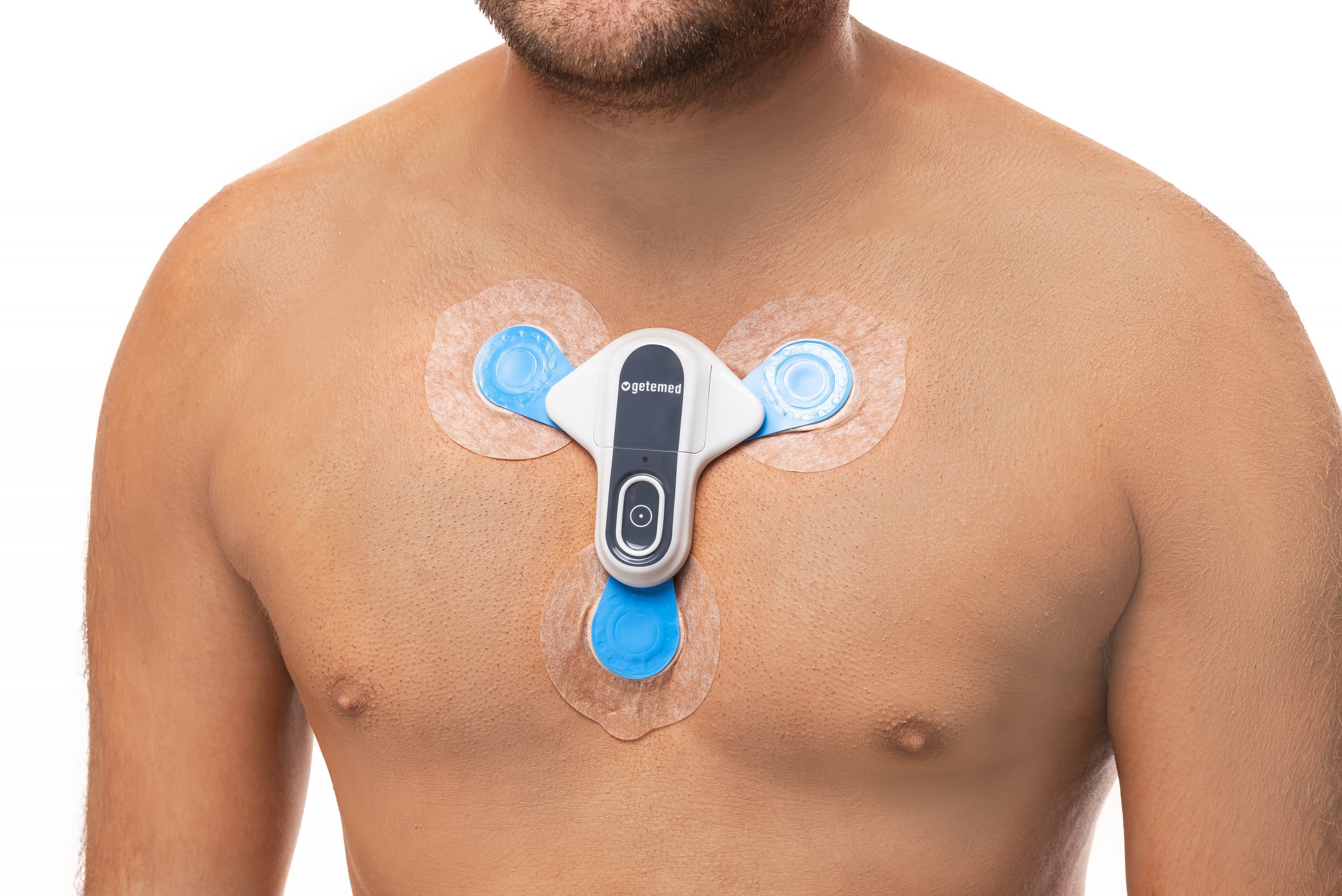
External Loop Recording (ELR) is a non-invasive heart monitoring method. It tracks irregular heart rhythms over extended periods. Patients wear the device on the chest, and it records ECG signals when triggered by symptoms or automatically during abnormal rhythms.
Many arrhythmias occur randomly and briefly. Standard ECG or Holter monitoring often misses them. ELRs bridge this gap by allowing longer observation windows—often up to 30 days. They increase the chances of capturing the exact moment when a patient experiences symptoms like dizziness or palpitations.
The recorder continuously monitors the heart's activity. It doesn’t save all data but keeps a rolling loop of the last few minutes. When a symptom occurs, the patient presses a button. The device then stores the few minutes before and after the event. Some advanced models auto-trigger when they detect abnormal beats.
Patients who don’t feel symptoms may still benefit. The auto-recording feature helps detect asymptomatic arrhythmias too.
Patients might feel slight skin irritation from electrodes. It’s normal. Daily routines can continue. Showering may be restricted unless waterproof patches or devices are used.
Data is reviewed periodically. At the end of the monitoring period, doctors analyze the recordings to confirm or rule out rhythm disorders.
| Feature | ECG | Holter Monitor | External Loop Recorder |
|---|---|---|---|
| Duration | Few seconds | 24-48 hours | Up to 30 days |
| Portability | No | Moderate | High |
| Captures Intermittent Events | Rarely | Sometimes | Often |
| Trigger Option | No | No | Yes |

MBBS, MD General Medicine
DrNB Cardiology, FSCAI
Consultant Interventional Cardiologist