Angiography / Cardiac Cath
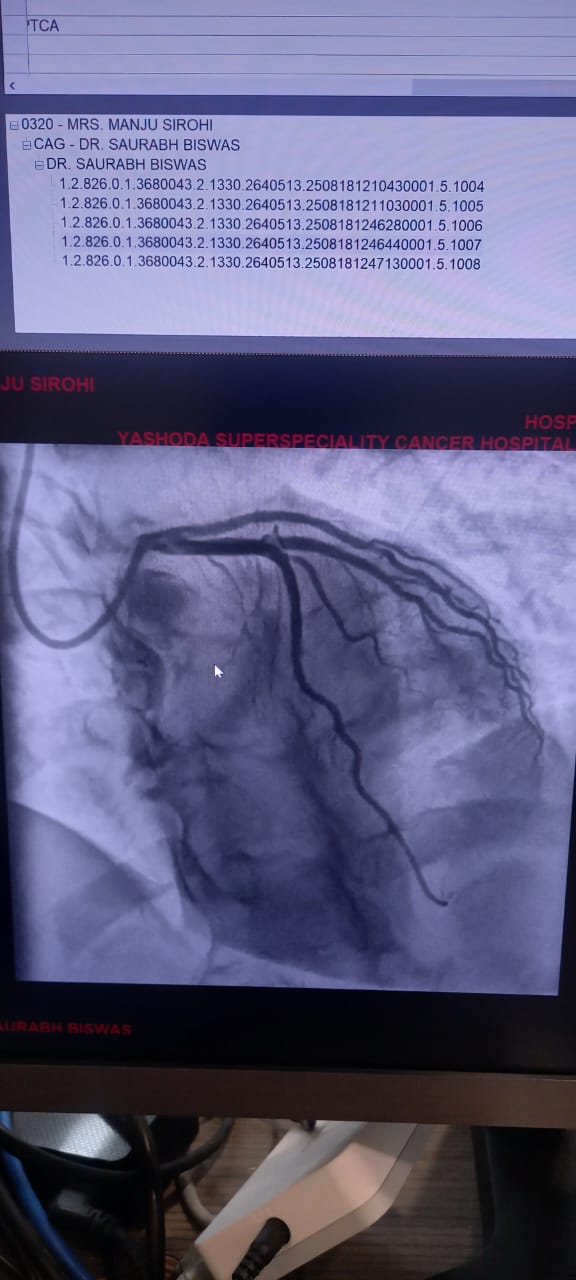
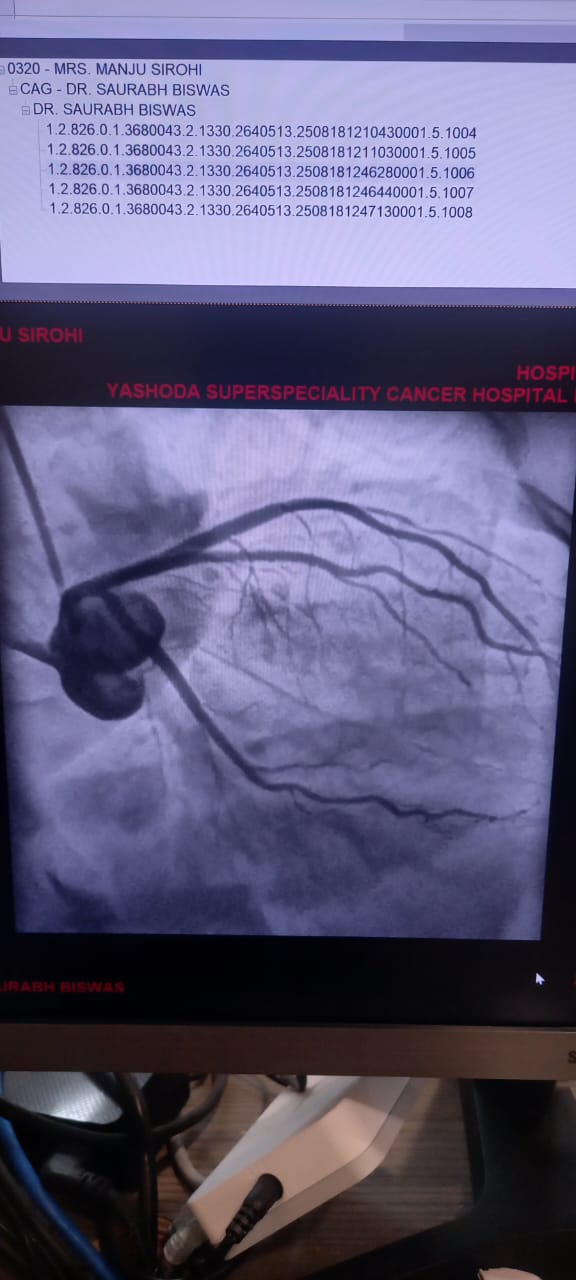
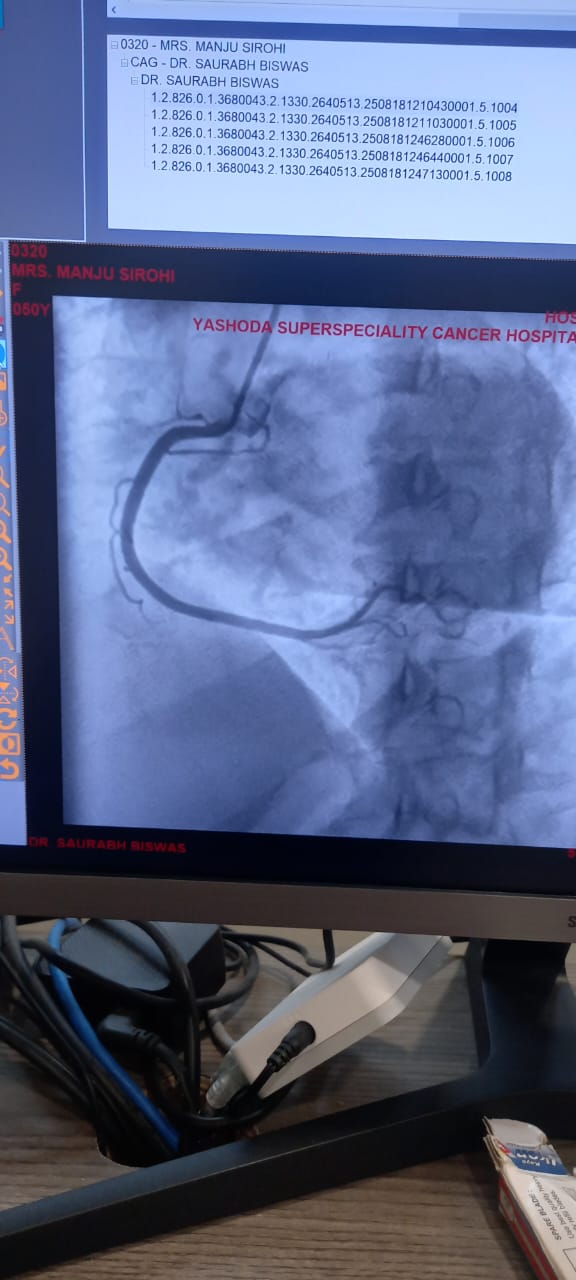
Angiography, also known as Cardiac Catheterization, is a minimally invasive procedure used
to diagnose heart conditions. It provides detailed images of the heart's blood vessels,
helping doctors detect blockages or narrowing.
How Cardiac Catheterization Works
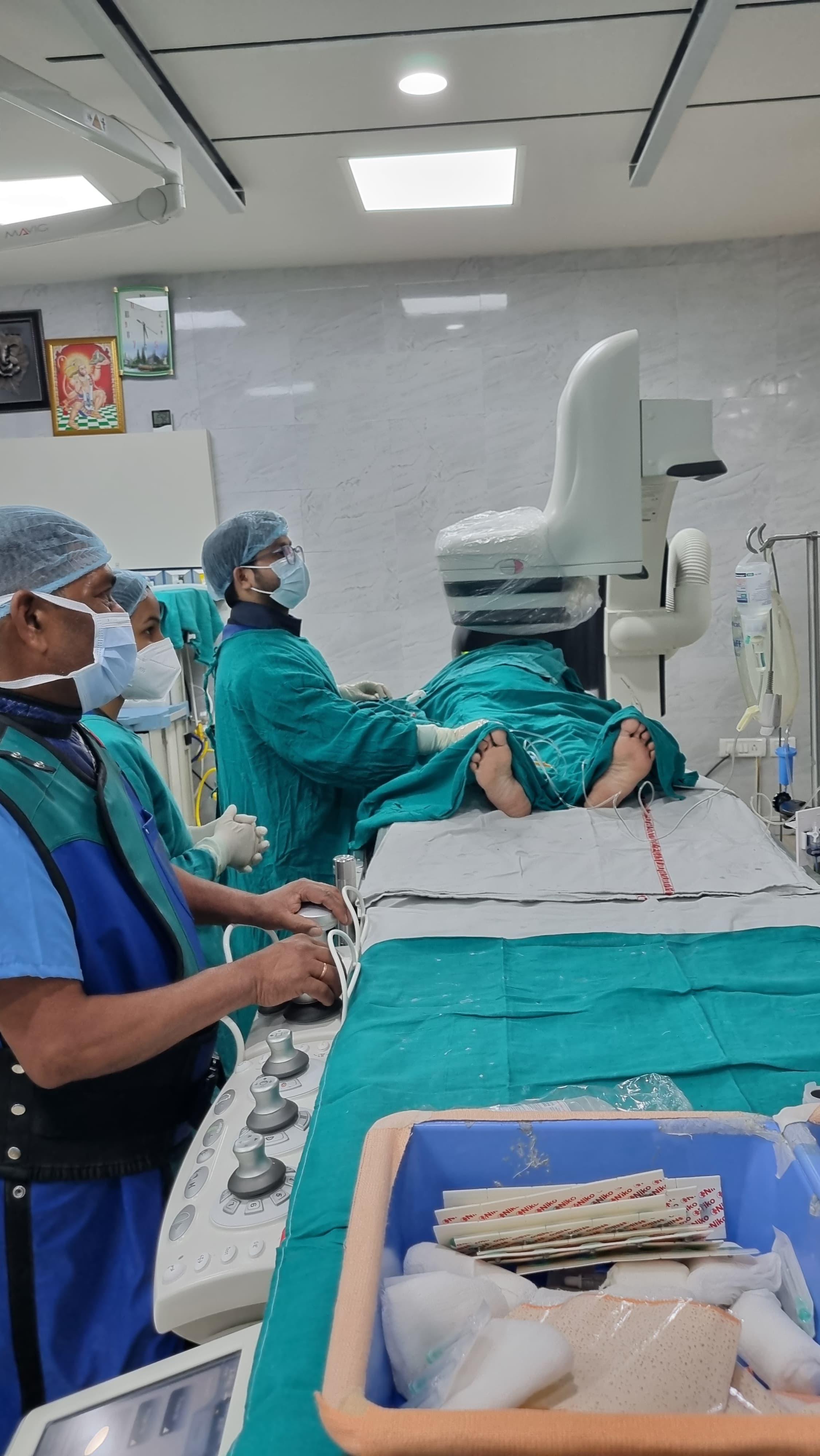
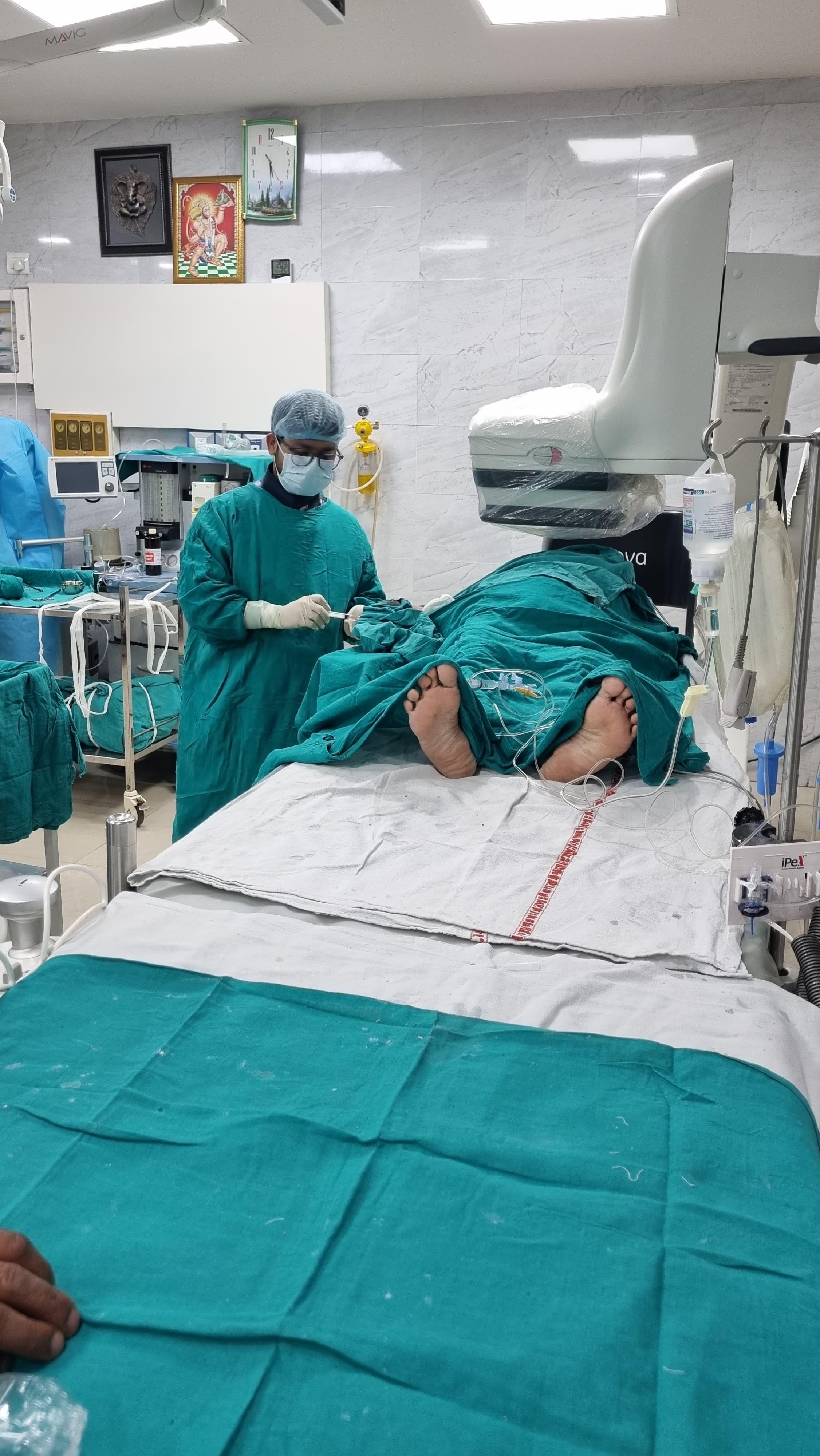
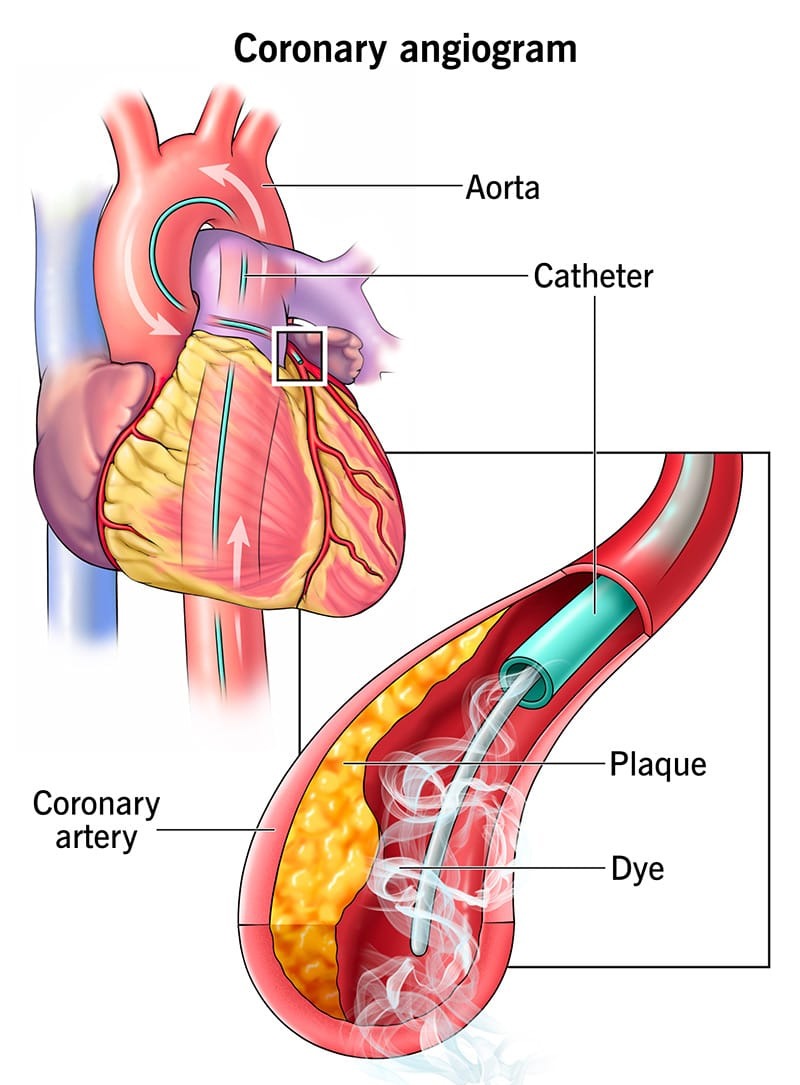
During the procedure, a thin, flexible tube called a catheter is inserted into a blood
vessel—usually in the groin, arm, or wrist. This tube is guided toward the heart using X-ray
imaging.
Once it reaches the heart, a contrast dye is injected. The dye makes the coronary arteries
visible on an X-ray screen, revealing any blockages, plaque buildup, or structural issues.
When Is Angiography Needed?
- You have chest pain or angina
- You experience shortness of breath
- You show abnormal ECG or stress test results
- There's a suspected heart valve issue
- You're being evaluated before heart surgery
Early diagnosis can prevent life-threatening complications.
Types of Cardiac Catheterization
-
Coronary Angiography: This is the most common type. It evaluates the
coronary arteries for blockages or narrowing.
-
Right Heart Catheterization: It checks pressure and blood flow in the
right side of the heart. Often used in patients with heart failure or pulmonary
hypertension.
-
Left Heart Catheterization: It focuses on the left chambers of the
heart and coronary arteries.
Preparing for the Procedure
- Fasting for 6–8 hours
- Stopping certain medications
- Arranging someone to drive you home afterward
A sedative may be given to help you relax. The area where the catheter enters is cleaned and
numbed.
What Happens During the Procedure
- You're awake but sedated
- The doctor inserts the catheter through an artery
- Dye is injected to make vessels visible
- Images are captured in real time
- If necessary, angioplasty or stenting may be done immediately
The procedure typically takes 30 to 60 minutes.
Aftercare and Recovery
- You’ll need to rest for a few hours
- The catheter site is monitored for bleeding
- Drink plenty of fluids to flush out the dye
- Avoid heavy activity for 24–48 hours
Most people go home the same day unless further treatment is needed.
Risks Involved
Though safe, angiography carries minimal risks:
- Bleeding or bruising at the catheter site
- Allergic reaction to the dye
- Irregular heart rhythms
- Rarely, heart attack or stroke
These risks are extremely low in experienced hands.

Benefits of Cardiac Cath
- Precise diagnosis of heart conditions
- Immediate treatment with stents if needed
- Guidance for future interventions or surgery
- Peace of mind through accurate testing