Zydus Hospital, Vadodara, Gujarat 390020
+917015731540
drsaurabhbiswascardiologist@gmail.com

Zydus Hospital, Vadodara, Gujarat 390020
+917015731540
drsaurabhbiswascardiologist@gmail.com
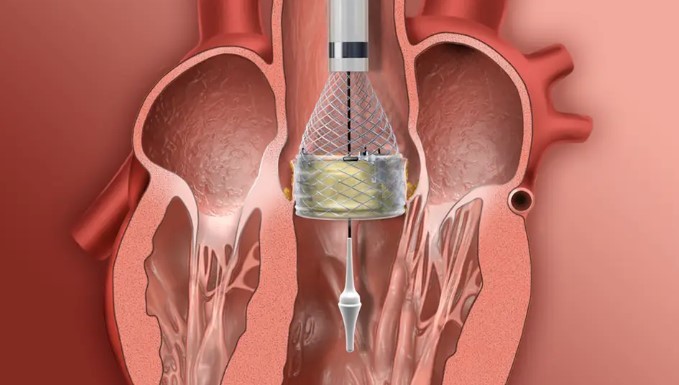
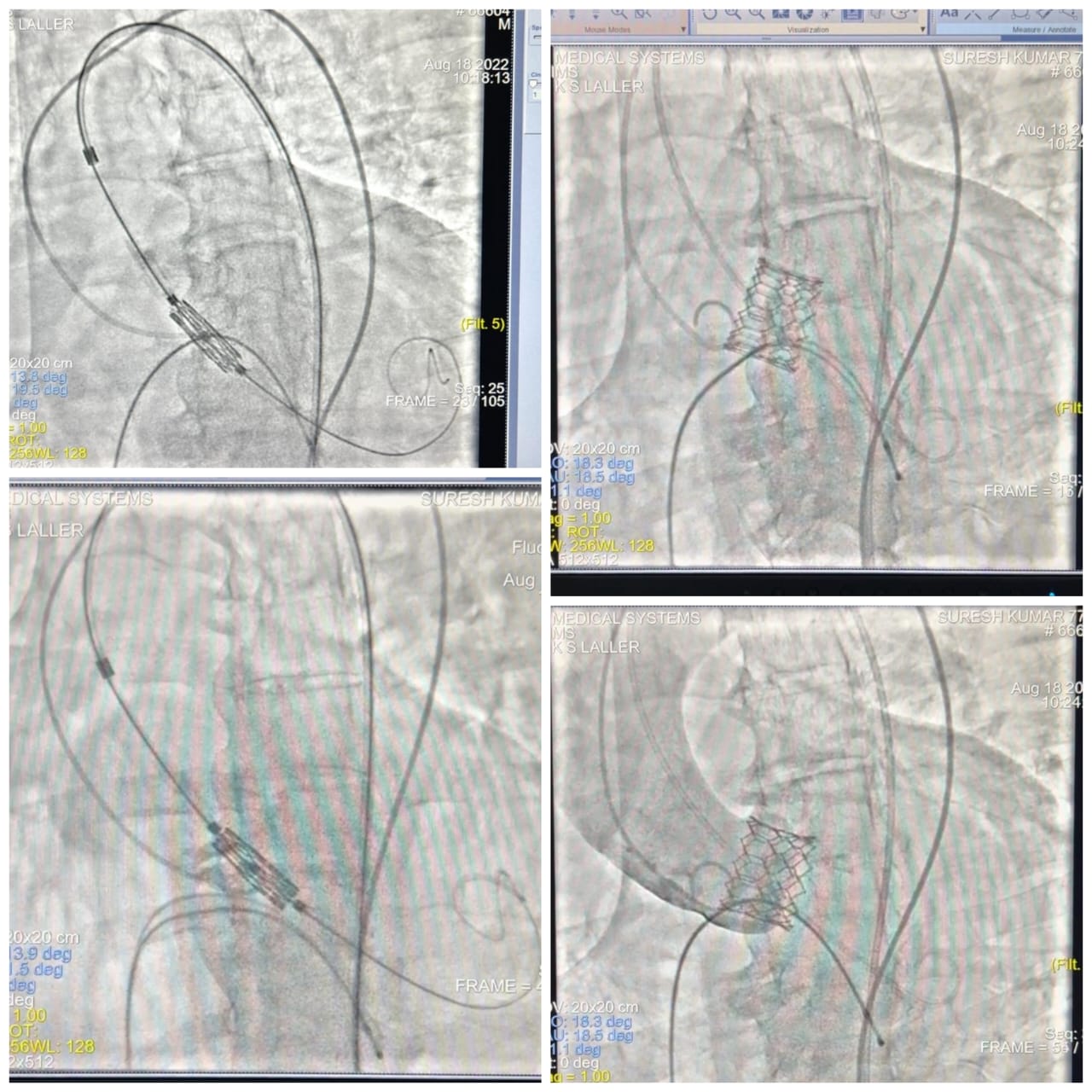
Transcatheter Aortic Valve Replacement (TAVR) is a minimally invasive procedure used to replace a narrowed aortic valve that fails to open properly—a condition known as aortic stenosis. It’s a game-changer, especially for patients who are at high or intermediate risk for open-heart surgery.
TAVR offers a safer, faster recovery alternative with excellent outcomes.
Doctors may suggest TAVR for patients who:
TAVR is FDA-approved for low, intermediate, and high-risk surgical patients.
The entire process is monitored using real-time imaging and usually takes 1–2 hours.
The choice depends on patient anatomy, disease severity, and physician preference.
| Feature | TAVR | Surgical Valve Replacement |
|---|---|---|
| Invasiveness | Minimally invasive | Open-chest procedure |
| Hospital Stay | 1–3 days | 5–7 days or longer |
| Recovery Time | Rapid (1–2 weeks) | Longer (6–8 weeks) |
| Anesthesia | Local with sedation | General anesthesia |
| Suitability | High-risk or elderly | Younger, low-risk patients |
TAVR offers quicker recovery and less physical stress, especially for older adults.
It’s a preferred option for patients who can’t undergo surgery due to age or health conditions.
While TAVR is safe and effective, potential risks include:
These are rare and managed effectively by experienced heart teams.
Most patients return to normal activities within 7–14 days.

MBBS, MD General Medicine
DrNB Cardiology, FSCAI
Consultant Interventional Cardiologist