Zydus Hospital, Vadodara, Gujarat 390020
+917015731540
drsaurabhbiswascardiologist@gmail.com
Zydus Hospital, Vadodara, Gujarat 390020
+917015731540
drsaurabhbiswascardiologist@gmail.com
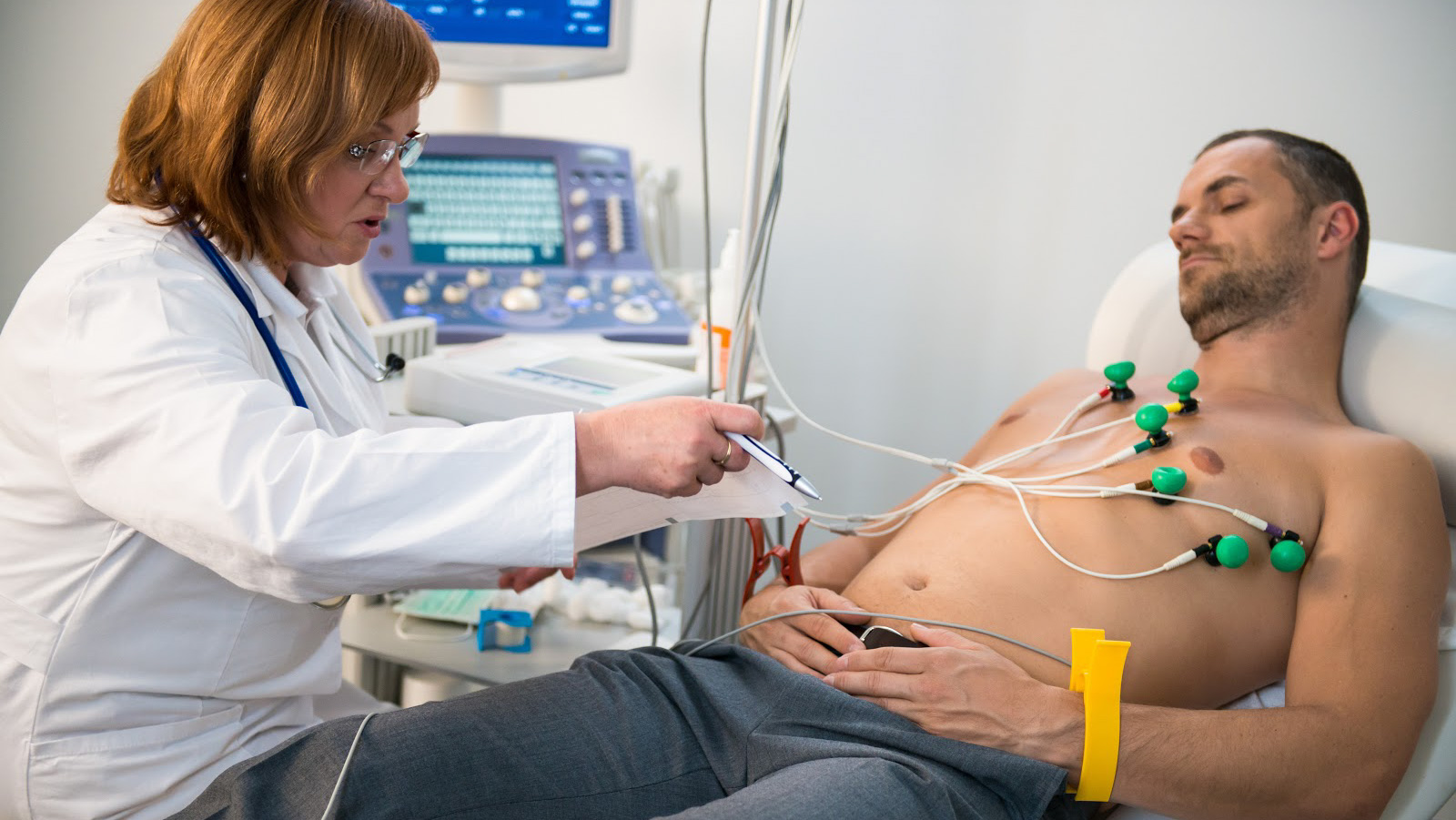
An Electrocardiogram (ECG or EKG) is a medical test that measures the electrical activity of your heart. It helps detect heart problems quickly. This painless test is often used in clinics, hospitals, or emergency rooms.
An ECG records electrical signals from the heart. Small patches called electrodes are placed on the skin. These patches connect to an ECG machine. As your heart beats, the machine creates a graph.
This graph shows the rhythm, strength, and timing of the heartbeat. It highlights any unusual patterns or disruptions.
An ECG helps diagnose problems like arrhythmia, heart attacks, or electrolyte imbalances.
No electricity is sent into your body. You won’t feel any pain.
An ECG shows various waves and intervals:
Doctors analyze these patterns for abnormalities. Even small changes may indicate serious heart problems. Early detection leads to faster treatment and better outcomes.
An ECG is safe and non-invasive. There are no risks involved. However, it may not detect every heart problem, especially those that don’t occur during the test.
That’s why doctors sometimes order repeat tests or long-term monitoring.
Routine ECGs can save lives. They catch silent heart issues early. People with high blood pressure, diabetes, or a family history of heart disease benefit most.
Regular monitoring ensures your heart stays in check and helps avoid complications.

MBBS, MD General Medicine
DrNB Cardiology, FSCAI
Consultant Interventional Cardiologist