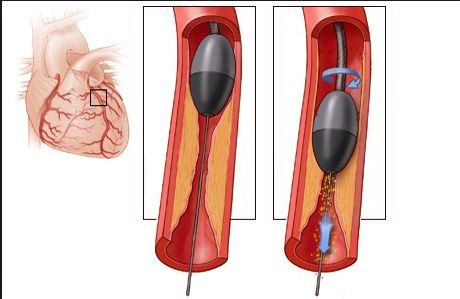
Rotablation Procedure
Rotablation, also known as Rotational Atherectomy, is an advanced technique
used during angioplasty. It’s designed to treat heavily calcified and hardened coronary
artery blockages that are resistant to standard balloon angioplasty.
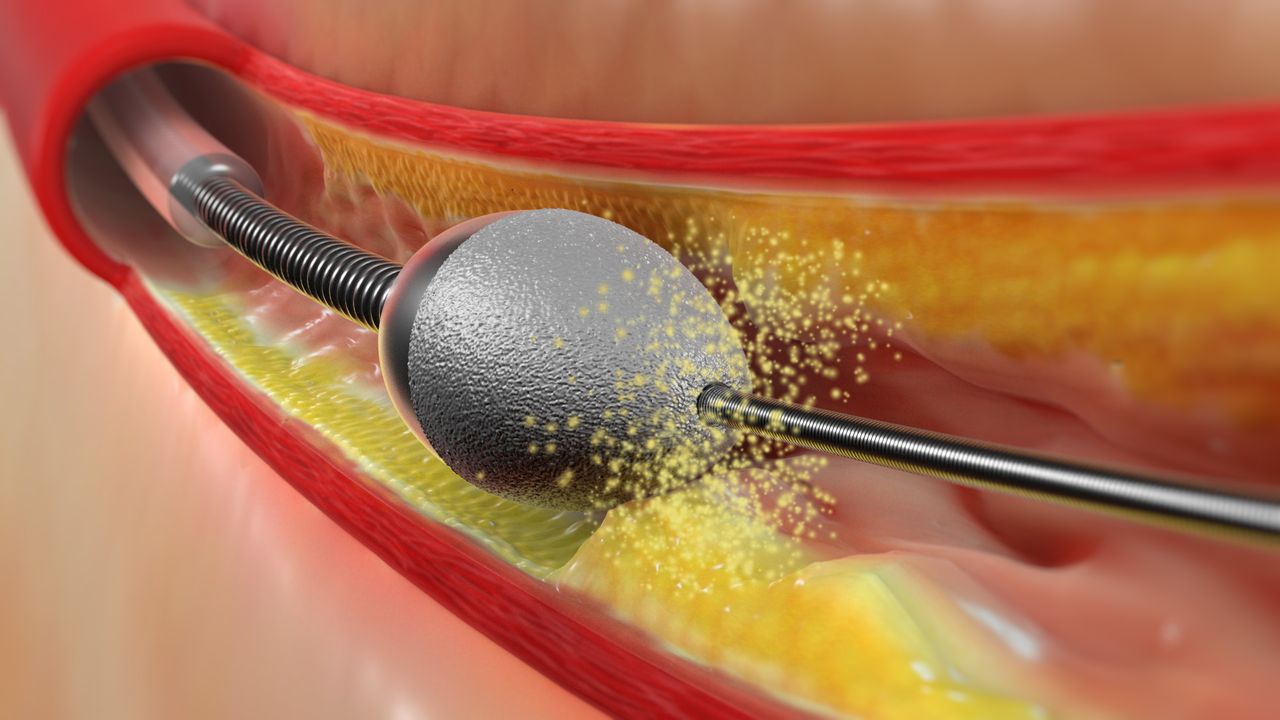
This technique uses a high-speed rotating burr to grind down the plaque, making it easier to
open the artery and place a stent.
Why Rotablation Is Needed
- Standard angioplasty fails
- Calcified plaques are preventing stent delivery
- There's a need for smoother stent expansion
- The blockage is very tight and resistant
It is commonly used in older adults or people with long-standing heart disease.
How Rotablation Works
- Access: A catheter is inserted through the radial (wrist) or femoral
(groin) artery.
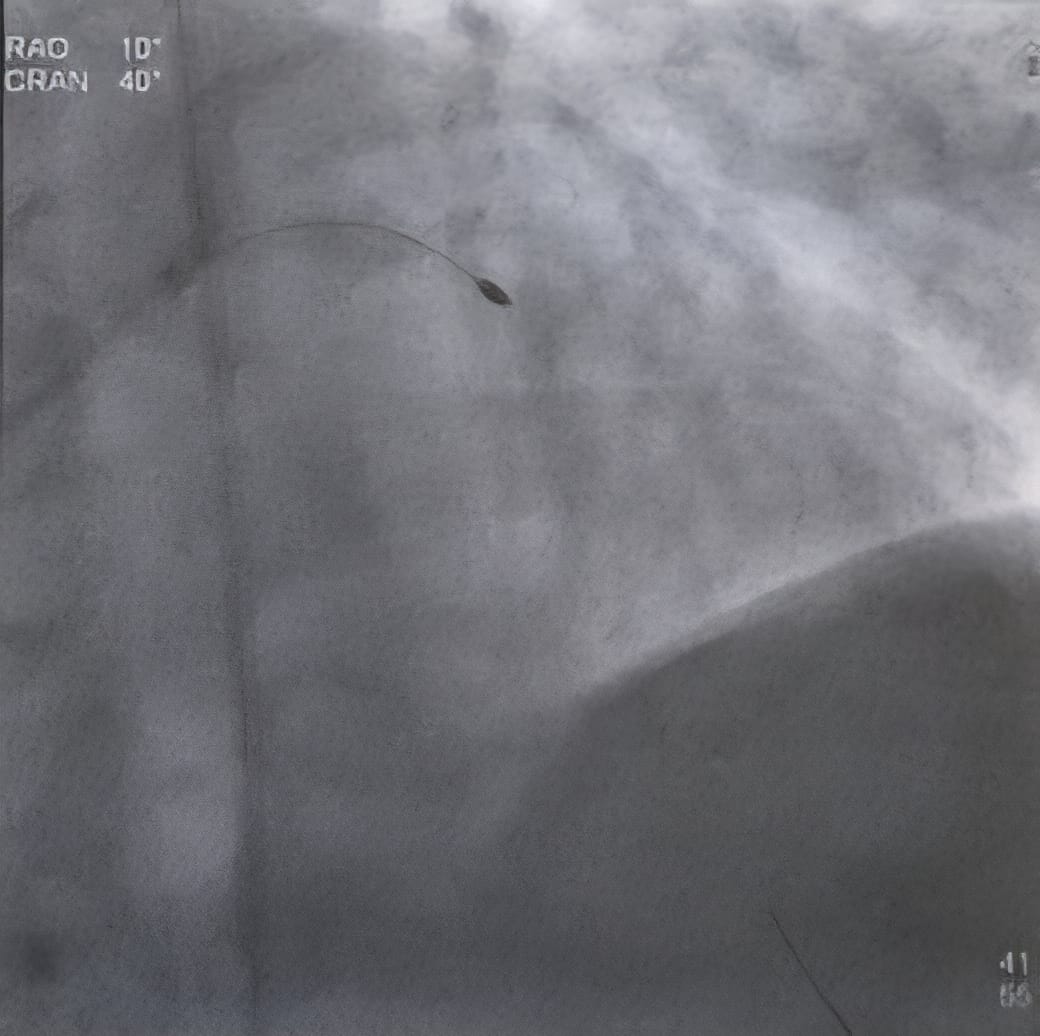
- Guide Wire: A special guide wire is threaded across the blockage.
- Rotablator Burr: A diamond-tipped burr rotates at speeds up to 200,000
RPM.
- Grinding the Plaque: It grinds the calcium into microscopic particles.
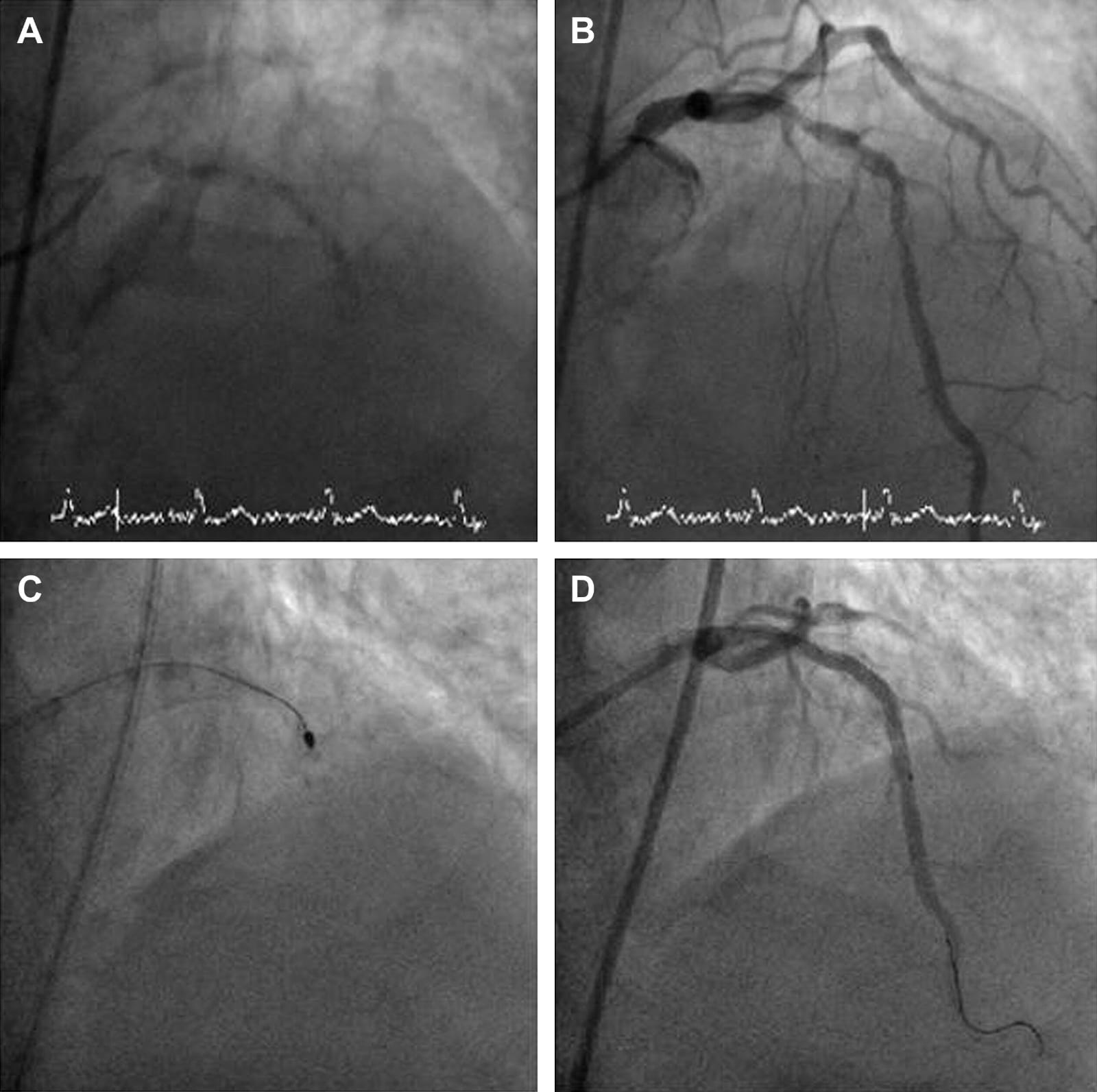
- Stenting: After rotablation, balloon angioplasty and stenting are
usually done.
The entire procedure may take longer than standard angioplasty but offers better outcomes
for complex cases.
What to Expect Before and After the Procedure
- Before Rotablation:
- Fasting for at least 6 hours
- Blood tests and ECG
- Possible kidney function assessment due to dye usage
- Pre-procedure medications may be prescribed
- During the Procedure:
- Local anesthesia and light sedation are used
- Real-time imaging guides the device
- Continuous monitoring of heart rate and rhythm
- Burr size and speed are adjusted based on lesion complexity
- After the Procedure:
- You’ll rest in recovery for several hours
- Catheter site is monitored for bleeding
- Hydration helps flush contrast dye
- Light activity is allowed after 24–48 hours
Benefits of the Rotablation Procedure
- Enables successful stenting in hardened arteries
- Improves blood flow to the heart muscle
- Reduces chest pain and angina
- Prevents future cardiac events
- Minimally invasive with rapid recovery
Risks and Complications
Although generally safe, rotablation carries some risks:
- Artery dissection or perforation
- Temporary slow heart rate
- Blood vessel spasm
- Minor bleeding at catheter site
- Very rarely, heart attack or stroke
With experienced cardiologists, these risks are low.
Who Can Benefit from Rotablation?
- Have severe coronary artery calcification
- Require complex coronary interventions
- Previously failed balloon angioplasty
- Are at high risk for open-heart surgery
It’s often a last-resort solution before bypass surgery is considered.