Transoesophageal Echocardiography (TEE)
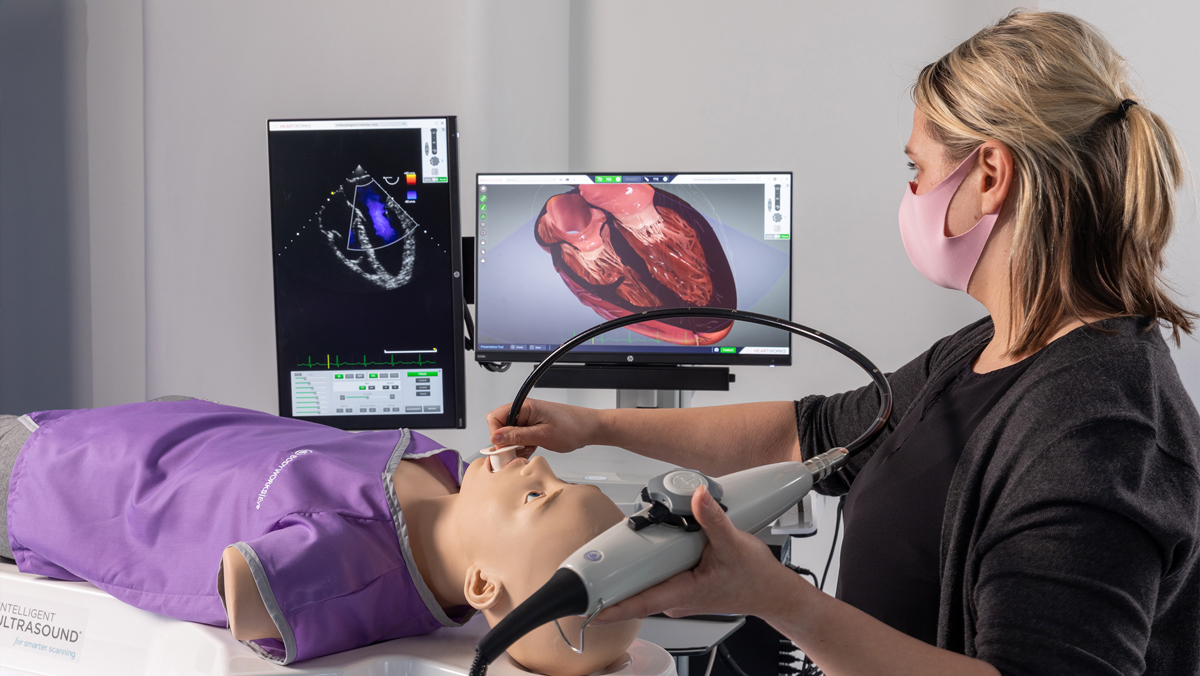
Transoesophageal echocardiography (TEE) is a specialized heart ultrasound where the probe is inserted into the esophagus (food pipe) to capture detailed images of the heart. Since the esophagus lies close to the heart, it allows clearer and more precise visualization than a standard echocardiogram.
TEE is commonly used when a transthoracic echocardiogram (TTE) doesn't provide sufficient detail.
Why Is TEE Performed?
TEE provides high-resolution images that help in:
- Detecting blood clots (especially in the left atrium)
- Evaluating valve diseases (such as mitral or aortic valve problems)
- Identifying infective endocarditis and vegetations
- Examining congenital heart defects
- Guiding heart surgeries or catheter-based interventions
- Assessing prosthetic valves or surgical repairs
- Detecting aortic dissection or aneurysm
TEE is also used in emergency and critical care settings due to its accuracy.
How Is TEE Performed?
The procedure is safe and usually takes 20–40 minutes.
- You’ll be asked to fast for at least 6 hours before the test.
- A sedative is given to help you relax.
- A numbing spray is applied to the throat.
- A flexible probe is gently passed through the mouth into the esophagus.
- Real-time images of the heart are recorded.
- The probe is removed after imaging is complete.
- You will be observed until the sedative wears off.
- It is performed by a cardiologist with help from trained medical staff.
When Is TEE Recommended?
TEE is ideal in situations where surface images are not enough. Doctors recommend it when:
- Suspecting stroke due to cardiac origin
- Planning or evaluating heart surgery
- Monitoring endocarditis or infections
- Ruling out aortic abnormalities
- Assessing valve repair or replacement outcomes
It is often used for pre-surgical planning and interventional procedures like TAVR or ASD closure.
Benefits of TEE
- Superior image quality compared to TTE
- Precise detection of small clots or masses
- Clear view of posterior cardiac structures
- Critical for surgical planning and guidance
- Useful even in obese or critically ill patients
TEE is a gold standard for detailed heart examination.
Is TEE Safe?
- Yes, it is considered very safe.
- Mild throat discomfort is common
- Rare complications include bleeding, aspiration, or esophageal injury
- It is performed in a controlled environment with full monitoring
- Most patients resume normal activities after a short recovery
Your doctor will discuss any risks before the procedure.
Before and After the Procedure
Before:
- Do not eat or drink for at least 6 hours
- Inform your doctor about any allergies or health issues
- Arrange for someone to accompany you home after sedation
After:
- Rest until sedative effects wear off
- Avoid eating or drinking until your gag reflex returns
- Resume normal activities after a few hours unless advised otherwise