Zydus Hospital, Vadodara, Gujarat 390020
+917015731540
drsaurabhbiswascardiologist@gmail.com

Zydus Hospital, Vadodara, Gujarat 390020
+917015731540
drsaurabhbiswascardiologist@gmail.com
Heart diseases remain one of the leading health concerns today, and early diagnosis plays a crucial role in preventing complications. One of the most commonly used diagnostic procedures is coronary angiography, which helps doctors visualize blockages in the heart's blood vessels.
Traditionally, angiography was performed through the groin (femoral artery). However, a newer technique—angiography through the wrist (radial approach)—is rapidly gaining popularity. But is it really safer and faster? Let's understand.
Angiography is a diagnostic test that uses contrast dye and X-ray imaging to check for blockages or narrowing in the coronary arteries.
Why is it Done?
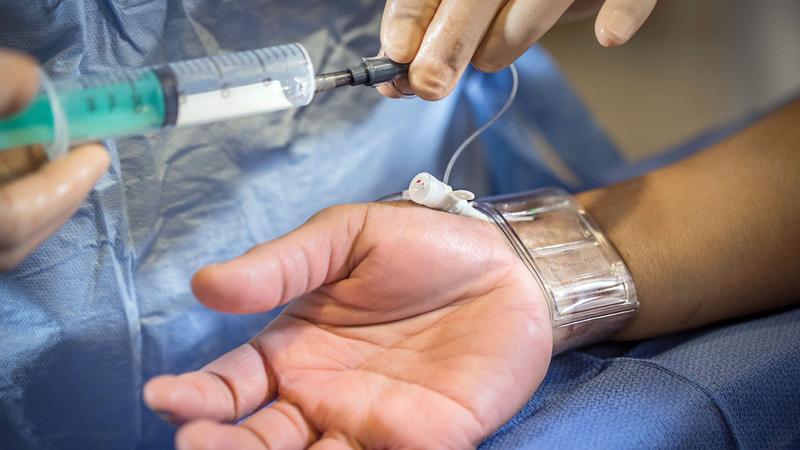
In radial angiography, the catheter is inserted through the radial artery in the wrist instead of the femoral artery in the groin.
How It Works:
This technique is also called the transradial approach.
| Feature | Wrist (Radial) Approach | Groin (Femoral) Approach |
|---|---|---|
| Entry Point | Wrist | Groin |
| Bleeding Risk | Very low | Higher |
| Recovery Time | Fast | Slower |
| Mobility After Procedure | Immediate | Bed rest required |
| Patient Comfort | High | Moderate |
| Complications | Minimal | Slightly higher |
Yes, in most cases, angiography through the wrist is considered safer, especially for many patients.
Key Safety Benefits:
Absolutely. One of the biggest advantages is quick recovery.
Faster Recovery Benefits:
In contrast, groin angiography often requires several hours of lying flat.
Most patients are good candidates, including:
Despite its benefits, the wrist approach may not be suitable for everyone.
Situations Where Groin Access is Preferred:
Your cardiologist will decide the best approach based on your condition.
While generally safe, wrist angiography may have minor risks:
However, serious complications are significantly less compared to the groin method.
Recovery is simple and quick:
In India, the cost of wrist angiography is similar to traditional angiography. Most modern cardiac centers now prefer the radial approach due to its safety and convenience.
Seek medical attention if you experience:
Early diagnosis can prevent serious heart complications.
Angiography through the wrist has transformed cardiac care by making the procedure safer, more comfortable, and faster to recover from. For most patients, it is now the preferred method.
However, the choice of technique should always be personalized. A detailed evaluation by a cardiac specialist ensures the best and safest approach for each patient.
So, is angiography through the wrist safer and faster? Yes—for most patients, it offers clear advantages over the traditional method.
If you are advised to undergo angiography, discuss the radial approach with your cardiologist to explore the best option for you.

MBBS, MD General Medicine
DrNB Cardiology, FSCAI
Consultant Interventional Cardiologist