Zydus Hospital, Vadodara, Gujarat 390020
+917015731540
drsaurabhbiswascardiologist@gmail.com
Zydus Hospital, Vadodara, Gujarat 390020
+917015731540
drsaurabhbiswascardiologist@gmail.com
By Dr. Saurabh Biswas
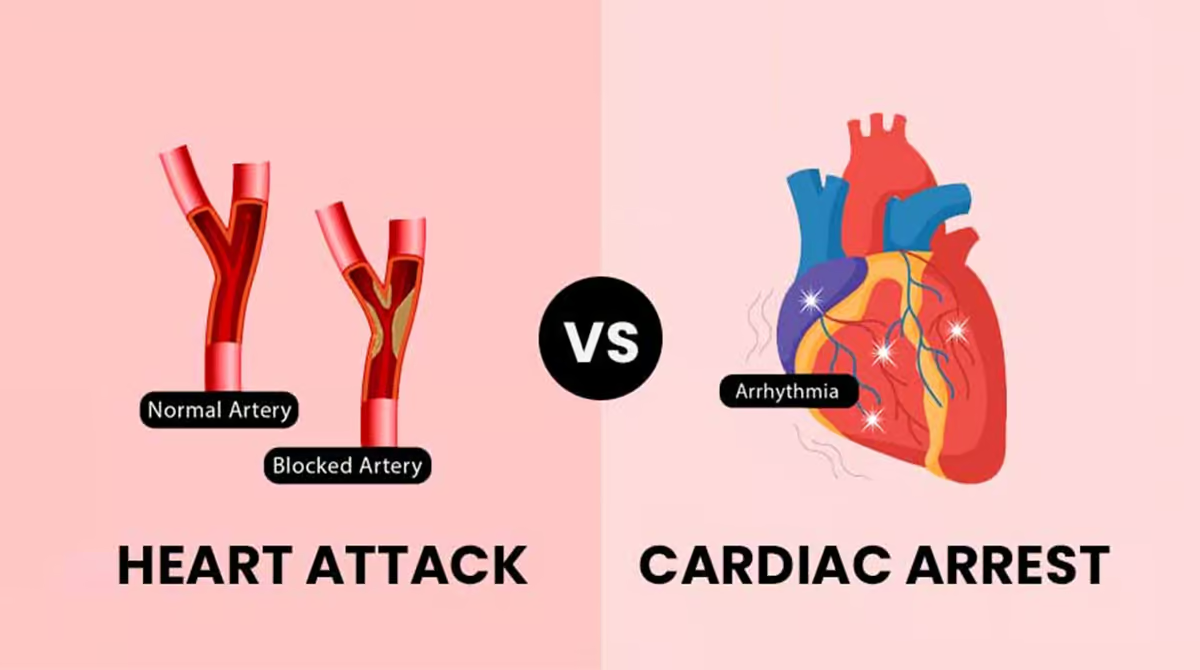
Heart-related problems are often misunderstood, and many people use the terms "heart attack" and "blockage" interchangeably. While they are closely related, they are not the same. Understanding the difference can help you recognize warning signs early and seek timely treatment.
A heart blockage refers to the narrowing or partial obstruction of the coronary arteries due to plaque buildup (fat, cholesterol, and other substances). This condition is known medically as coronary artery disease (CAD).
Key Points:
Common Symptoms of Blockage:
In many cases, a blockage may not cause noticeable symptoms until it becomes severe.
A heart attack (myocardial infarction) occurs when a coronary artery suddenly becomes completely blocked, cutting off blood supply to a part of the heart muscle. This leads to damage or death of heart tissue.
Key Points:
Common Symptoms of Heart Attack:
A heart attack can be life-threatening if not treated immediately.
| Feature | Heart Blockage | Heart Attack |
|---|---|---|
| Definition | Narrowing of arteries | Sudden complete blockage |
| Onset | Gradual | Sudden |
| Severity | May be mild to severe | Always an emergency |
| Symptoms | May be mild or absent | Severe and noticeable |
| Risk | Can lead to heart attack | Causes heart muscle damage |
| Treatment | Medication, angioplasty, lifestyle changes | Emergency care, angioplasty, stenting |
A heart blockage is often the underlying cause of a heart attack.
Here's how it happens:
So, untreated blockages can eventually lead to a heart attack.
Doctors use several tests to identify blockages or confirm a heart attack:
Early diagnosis can prevent complications and save lives.
For Heart Blockage:
For Heart Attack:
Preventing blockages can significantly reduce the risk of heart attack:
Call emergency services if you experience:
Do not ignore these symptoms, as early treatment can save your life.
A heart blockage is a warning sign, while a heart attack is a medical emergency. Recognizing the difference is crucial for timely intervention.
Regular health check-ups and early screening can detect blockages before they become dangerous. If you have risk factors like diabetes, high blood pressure, or a family history of heart disease, consult a specialist without delay.
Understanding the difference between a heart attack and a blockage can help you act quickly and make informed health decisions. Early detection, proper treatment, and a healthy lifestyle are the keys to protecting your heart.

MBBS, MD General Medicine
DrNB Cardiology, FSCAI
Consultant Interventional Cardiologist